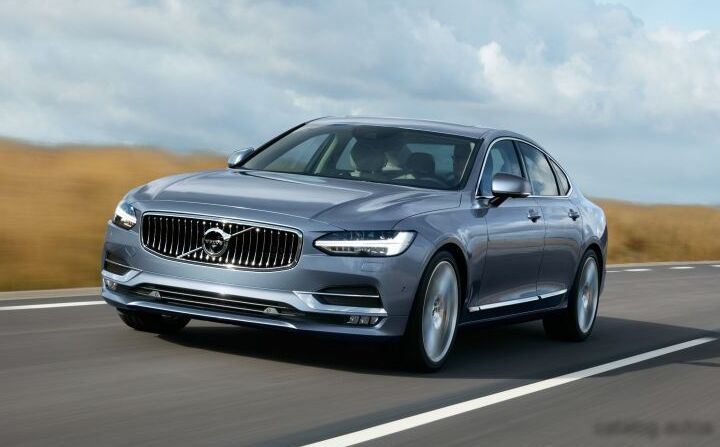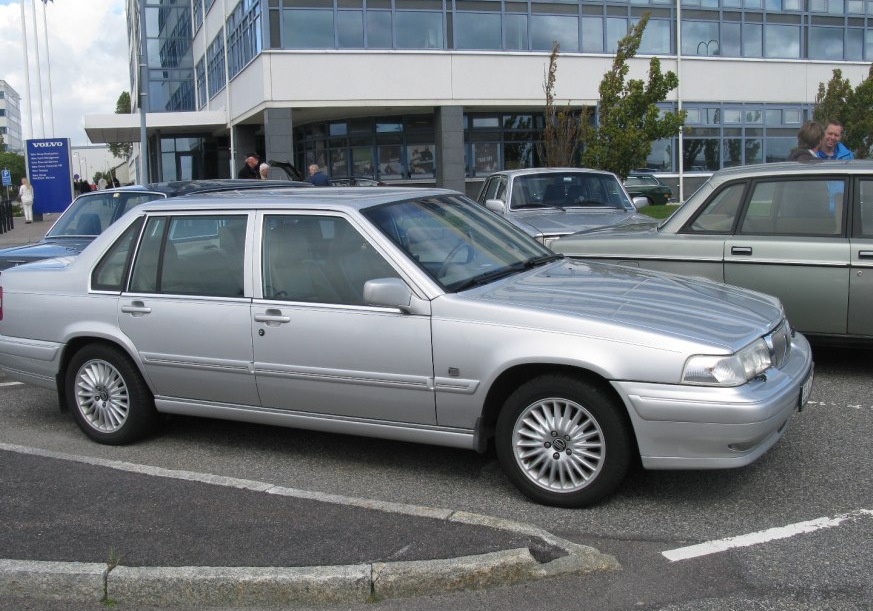
The Volvo S90 2.9 24V, produced from 1997 to 1998, represented a significant evolution in Volvo’s flagship sedan lineup. Falling within the second generation of the S90 (introduced in 1996), this variant occupied a middle ground in terms of performance and price, positioned between the base 2.0L models and the more powerful turbocharged options. The S90, as a whole, aimed to blend Scandinavian practicality, safety, and a degree of luxury, competing with established German and Japanese executive sedans in the North American and European markets. This 2.9-liter naturally aspirated version offered a balance of refinement and reasonable performance for buyers prioritizing a smooth driving experience over outright speed.
Technical Specifications
| Brand | Volvo |
| Model | S90 |
| Generation | S90 |
| Type (Engine) | 2.9 24V (180 Hp) |
| Start of production | 1997 |
| End of production | 1998 |
| Powertrain Architecture | Internal Combustion engine |
| Body type | Sedan |
| Seats | 5 |
| Doors | 4 |
| Fuel consumption (urban) | 16.1 l/100 km (14.6 US mpg, 17.5 UK mpg, 6.2 km/l) |
| Fuel consumption (extra urban) | 8.0 l/100 km (29.4 US mpg, 35.3 UK mpg, 12.5 km/l) |
| Fuel consumption (combined) | 11.0 l/100 km (21.4 US mpg, 25.7 UK mpg, 9.1 km/l) |
| Fuel Type | Petrol (Gasoline) |
| Acceleration 0 – 100 km/h | 9.0 sec |
| Acceleration 0 – 62 mph | 9.0 sec |
| Acceleration 0 – 60 mph | 8.6 sec |
| Maximum speed | 210 km/h (130.49 mph) |
| Power | 180 Hp |
| Engine Model/Code | B6304S2 |
| Engine aspiration | Naturally aspirated engine |
| Engine oil capacity | 5.8 l (6.13 US qt, 5.1 UK qt) |
| Coolant capacity | 8.5 l (8.98 US qt, 7.48 UK qt) |
| Fuel tank capacity | 80 l (21.13 US gal, 17.6 UK gal) |
| Length | 4871 mm (191.77 in) |
| Width | 1750 mm (68.9 in) |
| Height | 1422 mm (55.98 in) |
Powertrain & Engine Architecture
The heart of the S90 2.9 24V was the B6304S2 engine, a 2.9-liter inline-six cylinder powerplant. This engine was a naturally aspirated design, meaning it didn’t rely on turbocharging or supercharging for increased power. The “24V” designation refers to the four valves per cylinder (two intake and two exhaust), contributing to improved breathing and efficiency. Fuel delivery was handled by Bosch Motronic fuel injection, a sophisticated system for its time, optimizing fuel-air mixture for varying driving conditions. The engine featured a single overhead camshaft (SOHC) design, a relatively simple valvetrain configuration that prioritized reliability and ease of maintenance. The engine was paired with a four-speed automatic transmission, a common choice for buyers seeking convenience and a smoother driving experience. This transmission was designed to provide comfortable shifts, but wasn’t known for particularly quick acceleration.
Driving Characteristics
The S90 2.9 24V offered a refined and comfortable driving experience. With 180 horsepower and approximately 195 lb-ft of torque, acceleration was adequate for highway merging and passing maneuvers, but it wasn’t a particularly sporty car. The 0-60 mph time of around 8.6 seconds reflects this. The automatic transmission, while smooth, did contribute to some power loss compared to the available five-speed manual transmission. Gear ratios were tuned for fuel efficiency and relaxed cruising rather than aggressive acceleration. The suspension, tuned for comfort, absorbed bumps and road imperfections well, making it a pleasant long-distance cruiser. Compared to the turbocharged S90 variants, the 2.9L felt noticeably less powerful, but it offered a more linear power delivery and a quieter engine note.
Equipment & Trim Levels
The S90 2.9 24V typically came well-equipped, reflecting Volvo’s commitment to safety and comfort. Standard features included power windows, power locks, a power sunroof, and air conditioning. The interior typically featured cloth upholstery, although leather was available as an option. A premium sound system was often included, and higher trim levels could be equipped with features like heated front seats, automatic climate control, and a trip computer. The dashboard layout was typically characterized by a clean, functional design with easy-to-read gauges. Optional extras included a rear-seat entertainment system and upgraded audio components.
Chassis & Braking
The S90 utilized a MacPherson strut front suspension and a multi-link rear suspension, providing a good balance of ride comfort and handling. The chassis was designed with safety in mind, incorporating reinforced steel structures to protect occupants in the event of a collision. Braking duties were handled by disc brakes on all four wheels, providing adequate stopping power. However, some base models may have featured drum brakes on the rear wheels. Anti-lock braking system (ABS) was standard, further enhancing safety. Stabilizer bars were fitted to both the front and rear axles to reduce body roll during cornering.
Market Reception & Comparison
The S90 2.9 24V was generally well-received by automotive critics. It was praised for its comfortable ride, spacious interior, and strong safety features. However, some reviewers noted that its performance was not as exciting as some of its competitors, particularly the German offerings like the BMW 5 Series and Mercedes-Benz E-Class. Fuel economy was considered average for its class, with the combined fuel consumption of 11.0 l/100 km (21.4 US mpg) being typical for a large, naturally aspirated sedan of that era. Compared to the turbocharged S90 models, the 2.9L offered better fuel economy and lower maintenance costs, but at the expense of performance. The 2.9L appealed to buyers who prioritized comfort and reliability over outright speed.
Legacy
The Volvo S90 2.9 24V, while not the most sought-after variant of the S90, has proven to be a relatively reliable vehicle. The inline-six engine is known for its durability, and the automatic transmission, while not particularly advanced, is generally dependable. Today, these cars are becoming increasingly rare and are appreciated by Volvo enthusiasts for their classic styling and comfortable driving experience. Maintenance costs can be moderate, as parts are generally available, but finding qualified mechanics familiar with older Volvo models can sometimes be a challenge. The S90 2.9 24V represents a high point in Volvo’s commitment to building safe, comfortable, and long-lasting automobiles.