
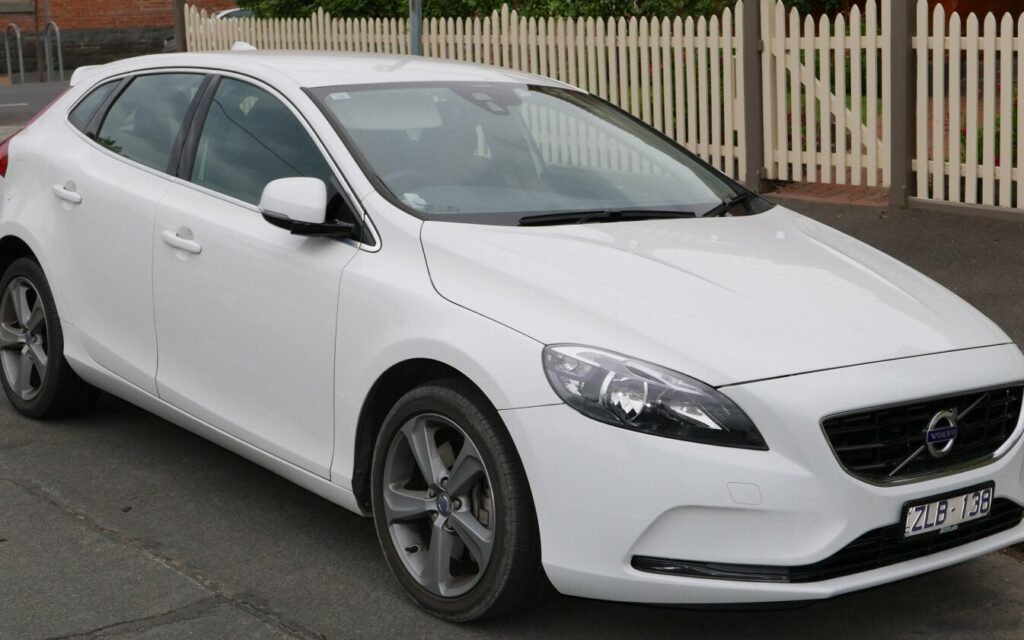
The Volvo V40 1.6 D2, produced from 2012 to 2015, represented the entry point into the second generation of Volvo’s compact hatchback. Positioned as a fuel-efficient and practical option, the 1.6 D2 utilized a small-displacement diesel engine to appeal to buyers prioritizing economy over outright performance. This variant was a key component of Volvo’s strategy to attract a wider customer base with the V40, competing directly with vehicles like the Audi A3, BMW 1 Series, and Mercedes-Benz A-Class. The V40 series, built on the C/D platform shared with Ford models of the era, aimed to blend Scandinavian design with Volvo’s renowned safety features.
Powertrain & Engine Architecture
The heart of the V40 1.6 D2 is the D4162T, a 1.6-liter inline-four cylinder diesel engine. This engine is part of Volvo’s global engine family developed in collaboration with Ford during their ownership period. Despite its relatively small displacement, the D4162T employed a turbocharger with intercooling to boost power output to 115 horsepower (86 kW) at 3600 rpm and 270 Nm (199 lb-ft) of torque between 1750 and 2500 rpm. The engine featured a common rail direct fuel injection system, delivering fuel directly into the combustion chamber at high pressure for improved efficiency and reduced emissions.
The D2 variant was exclusively offered with a 6-speed manual transmission, driving the front wheels. This transmission was chosen to maximize fuel economy and provide a more engaging driving experience, aligning with the target audience’s preference for efficiency. The engine’s layout is front-transverse, a common configuration for front-wheel-drive vehicles, optimizing space utilization within the engine bay. The compression ratio of 16:1 is relatively high for a diesel engine, contributing to its thermal efficiency. A diesel particulate filter (DPF) was standard equipment, ensuring compliance with Euro 5 emission standards.
Fuel Injection and Valvetrain
The D4162T’s common rail diesel injection system utilized piezo injectors, known for their fast response and precise fuel delivery. This system allowed for multiple injection events per combustion cycle, optimizing the combustion process for reduced noise, vibration, and harshness (NVH) and improved fuel economy. The engine employed a single overhead camshaft (SOHC) valvetrain with four valves per cylinder, providing adequate airflow for its power output. While not as sophisticated as dual overhead camshaft (DOHC) designs, the SOHC configuration contributed to the engine’s simplicity and cost-effectiveness.
Driving Characteristics
The V40 1.6 D2 offered a driving experience focused on efficiency and comfort rather than sporty performance. Acceleration from 0 to 100 km/h (0-62 mph) took approximately 12.3 seconds, and top speed was limited to 190 km/h (118 mph). The 270 Nm of torque, available from relatively low engine speeds, provided adequate pulling power for everyday driving situations, making it suitable for urban commutes and highway cruising. However, compared to higher-powered V40 variants like the T5 (with a 2.5-liter turbocharged gasoline engine), the D2 felt noticeably slower and less responsive.
The 6-speed manual transmission was well-matched to the engine’s characteristics, offering smooth gear changes and a reasonable spread of ratios. The gear ratios were optimized for fuel efficiency, with taller gearing in higher gears to reduce engine speed at cruising speeds. While the engine could feel strained when pushed hard, it generally provided a relaxed and refined driving experience at moderate speeds. The front-wheel-drive configuration offered predictable handling, although it lacked the all-weather capability of all-wheel-drive variants.
Equipment & Trim Levels
The V40 1.6 D2 typically came equipped with a respectable level of standard features, though it was positioned below the higher trim levels in terms of luxury and technology. Standard equipment generally included air conditioning, power windows, power mirrors, a basic audio system with USB connectivity, and a suite of safety features including ABS, electronic stability control, and multiple airbags. Interior upholstery was typically cloth, with a functional and durable design.
Optional extras included features such as leather upholstery, a premium audio system, navigation system, parking sensors, automatic climate control, and various driver assistance systems like City Safety (Volvo’s automatic braking system). Trim levels varied depending on the market, but generally offered progressive upgrades in terms of features and aesthetics. The D2 was often available in ‘ES’ or ‘SE’ trims, offering different levels of equipment and customization options.
Chassis & Braking
The V40 1.6 D2 utilized an independent McPherson strut front suspension, providing a comfortable ride and predictable handling. The rear suspension employed a multi-link setup, further enhancing ride quality and stability. Stabilizer bars were fitted to both the front and rear axles to reduce body roll during cornering. The braking system consisted of ventilated disc brakes at the front and drum brakes at the rear. While the drum brakes were adequate for the vehicle’s weight and performance, they were less effective at dissipating heat compared to disc brakes.
The V40 1.6 D2’s kerb weight of 1257 kg (2771 lbs) was relatively low for a modern hatchback, contributing to its fuel efficiency and agility. The tires were typically sized 195/65 R15, providing a good balance of comfort and grip. The steering was hydraulically assisted, offering a responsive and precise feel.
Market Reception & Comparison
The V40 1.6 D2 was generally well-received by critics for its fuel efficiency, comfortable ride, and stylish design. However, some reviewers criticized its relatively low power output and somewhat unrefined engine noise. Compared to the higher-powered V40 variants, the D2 offered significantly lower performance, but it also came with a lower price tag and superior fuel economy. Fuel consumption figures were impressive, averaging around 3.6 l/100 km (65.3 US mpg) on the combined cycle, and CO2 emissions were a low 94 g/km.
In terms of reliability, the D4162T engine proved to be generally robust, although some owners reported issues with the diesel particulate filter (DPF) and the dual-mass flywheel. Regular maintenance and the use of high-quality oil were essential to ensure long-term reliability. Compared to competitors like the Audi A3 and BMW 1 Series, the V40 1.6 D2 offered a compelling value proposition, combining Scandinavian design, safety features, and fuel efficiency at a competitive price point.
Technical Specifications
| Engine Model/Code | D4162T |
| Engine Displacement | 1560 cm3 (95.2 cu. in.) |
| Number of Cylinders | 4, Inline |
| Power | 115 Hp @ 3600 rpm |
| Torque | 270 Nm @ 1750-2500 rpm (199.14 lb.-ft.) |
| Fuel Type | Diesel |
| Fuel Consumption (Urban) | 4 l/100 km (58.8 US mpg) |
| Fuel Consumption (Extra Urban) | 3.4 l/100 km (69.2 US mpg) |
| Fuel Consumption (Combined) | 3.6 l/100 km (65.3 US mpg) |
| CO2 Emissions | 94 g/km |
| Acceleration 0-100 km/h | 12.3 sec |
| Maximum Speed | 190 km/h (118.06 mph) |
| Kerb Weight | 1257 kg (2771.21 lbs) |
| Fuel Tank Capacity | 55 l (14.53 US gal) |
| Transmission | 6-speed Manual |
| Drive Type | Front Wheel Drive |
Legacy
The Volvo V40 1.6 D2 remains a popular choice in the used car market, particularly for buyers seeking a fuel-efficient and reliable compact hatchback. The D4162T engine, while not known for its performance, has proven to be relatively durable with proper maintenance. However, potential buyers should be aware of potential issues with the DPF and dual-mass flywheel. The V40’s stylish design and comfortable interior continue to appeal to a wide range of buyers. The model helped solidify Volvo’s reputation for safety and innovation in the compact hatchback segment, paving the way for the XC40, Volvo’s successful entry into the compact SUV market.
