
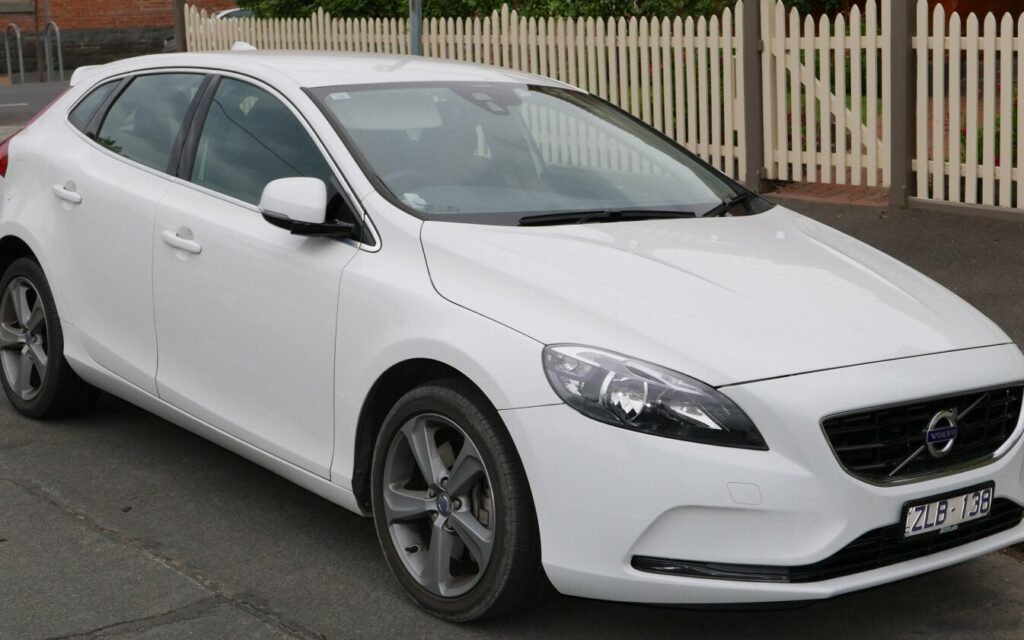
The Volvo V40 1.6 D2 Automatic, produced between 2012 and 2015, represented the entry-level powertrain option for Volvo’s compact hatchback. Part of the second-generation V40 series (internally designated as the 1HX0 platform, shared with the Ford Focus Mk3), this variant aimed to deliver fuel efficiency and affordability within the premium hatchback segment. It served as a stepping stone into the V40 range, offering a more economical alternative to the higher-powered gasoline and diesel engines available. The D2 Automatic was primarily targeted towards urban drivers and those prioritizing low running costs over outright performance.
Powertrain & Engine Architecture
The heart of the V40 1.6 D2 Automatic is Volvo’s D4162T, a 1.6-liter inline-four cylinder diesel engine. This engine is a member of Volvo’s modular engine family, designed for flexibility and efficiency. It utilizes a common rail direct fuel injection system, operating at a maximum pressure of 1600 bar, to optimize combustion and reduce emissions. The engine is turbocharged and intercooled, enhancing power output and torque delivery. The turbocharger is a Garrett GT14 unit, selected for its responsiveness at lower engine speeds. The valvetrain features four valves per cylinder (DOHC – Double Overhead Camshaft), contributing to improved breathing and overall engine efficiency.
The “D2” designation signifies the engine’s power output level. While nominally rated at 115 horsepower (86 kW) at 3600 rpm, and 270 Nm (199 lb-ft) of torque between 1750-2500 rpm, the engine’s torque curve is relatively flat, providing usable power across a wide rev range. This is particularly beneficial in everyday driving situations. The engine meets Euro 5 emission standards, incorporating a diesel particulate filter (DPF) to reduce particulate matter emissions.
The automatic transmission paired with the 1.6 D2 is a six-speed torque converter automatic, sourced from Aisin. This transmission was chosen for its smooth shifting characteristics and reliability. It features adaptive shift logic, adjusting shift points based on driving style and conditions. The gear ratios are tuned to prioritize fuel economy, with a relatively tall final drive ratio. The transmission does not offer manual shift modes or paddle shifters.
Engine Codes & Variations
While the D4162T is the core engine code, slight variations existed depending on the specific market and production year. These variations primarily related to engine management software and minor component updates. However, the fundamental engine architecture remained consistent throughout the production run of the V40 1.6 D2 Automatic.
Driving Characteristics
The V40 1.6 D2 Automatic delivers a comfortable and refined driving experience, prioritizing fuel efficiency and ease of use over sporty performance. Acceleration from 0-62 mph (0-100 km/h) takes approximately 12.1 seconds, making it noticeably slower than the higher-powered V40 variants, such as the T5 gasoline model or the D4 diesel. The automatic transmission contributes to a relaxed driving style, with smooth gear changes and minimal hesitation. However, the transmission can sometimes feel sluggish when attempting quick overtaking maneuvers.
The engine’s strong low-end torque compensates for the relatively low horsepower output, providing adequate pulling power for everyday driving. The gear ratios are optimized for fuel economy, meaning the engine operates at lower revolutions per minute (rpm) at cruising speeds. This contributes to a quiet and comfortable cabin environment. Compared to the manual transmission version of the 1.6 D2, the automatic offers greater convenience, particularly in stop-and-go traffic, but at the expense of some fuel economy and driver engagement.
Equipment & Trim Levels
The V40 1.6 D2 Automatic typically served as the entry point to the V40 range, and as such, came equipped with a respectable level of standard features. Standard equipment generally included air conditioning, power windows, power mirrors, a basic audio system with USB connectivity, and alloy wheels. Safety features were a Volvo hallmark, and the D2 Automatic included standard equipment such as ABS brakes, electronic stability control, and multiple airbags.
Interior upholstery was typically cloth, with a dark color scheme. The dashboard layout was clean and functional, with a focus on ergonomics. Optional extras available for the D2 Automatic included leather upholstery, a premium audio system, navigation system, parking sensors, and a sunroof. Higher trim levels, such as the SE or Momentum, added additional features as standard, such as automatic headlights and rain-sensing wipers.
Chassis & Braking
The V40 1.6 D2 Automatic utilizes a MacPherson strut front suspension and a multi-link rear suspension. This suspension setup provides a good balance between ride comfort and handling. The suspension components were tuned to suit the lower weight and power output of the D2 variant. The front suspension features a stabilizer bar to reduce body roll during cornering.
Braking duties are handled by ventilated discs at the front and solid discs at the rear. The braking system is equipped with ABS (Anti-lock Braking System) and electronic brakeforce distribution (EBD) to enhance safety and stability. The brake calipers and rotors are sized appropriately for the vehicle’s weight and performance characteristics. Steering is via a rack and pinion system, providing precise and responsive steering feel.
Market Reception & Comparison
The Volvo V40 1.6 D2 Automatic received generally positive reviews from automotive critics, particularly for its fuel efficiency and comfortable ride. However, its relatively slow acceleration and lack of driver engagement were often cited as drawbacks. Compared to other premium hatchbacks in its class, such as the Audi A3 and BMW 1 Series, the V40 D2 Automatic offered a more affordable price point, but lacked the same level of performance and prestige.
In terms of fuel economy, the V40 1.6 D2 Automatic consistently achieved impressive figures, with combined fuel consumption of around 3.9 l/100 km (60.3 US mpg). This made it an attractive option for drivers prioritizing low running costs. Reliability was generally good, although some owners reported issues with the DPF system, a common problem with modern diesel engines. Compared to the higher-powered V40 variants, the D2 Automatic typically required less frequent maintenance and had lower running costs.
Technical Specifications
| Engine Type | 1.6L Inline-4 Diesel |
| Engine Code | D4162T |
| Displacement | 1560 cc (95.2 cu in) |
| Power | 115 hp @ 3600 rpm |
| Torque | 270 Nm (199 lb-ft) @ 1750-2500 rpm |
| Fuel Injection | Diesel Commonrail |
| Turbocharger | Garrett GT14 |
| Transmission | 6-speed Automatic |
| Drive Wheels | Front Wheel Drive |
| 0-62 mph | 12.1 seconds |
| 0-60 mph | 11.5 seconds (Calculated) |
| Fuel Consumption (Combined) | 3.9 l/100 km (60.3 US mpg) |
| CO2 Emissions | 102 g/km |
| Kerb Weight | 1526 kg (3364.25 lbs) |
| Fuel Tank Capacity | 52 liters (13.74 US gal) |
| Length | 4369 mm (172.01 in) |
| Width | 1783 mm (70.2 in) |
| Height | 1420 mm (55.91 in) |
Legacy
The Volvo V40 1.6 D2 Automatic has proven to be a relatively reliable and durable powertrain in the used car market. The Aisin automatic transmission is known for its robustness, and the D4162T engine, while not particularly powerful, is generally dependable. However, potential buyers should be aware of the potential for DPF issues, and ensure that the vehicle has been properly maintained. The V40 1.6 D2 Automatic remains a popular choice for drivers seeking a fuel-efficient and affordable premium hatchback, offering a good balance of comfort, safety, and practicality. Its continued presence on the used car market reflects its enduring appeal and overall reliability.
