
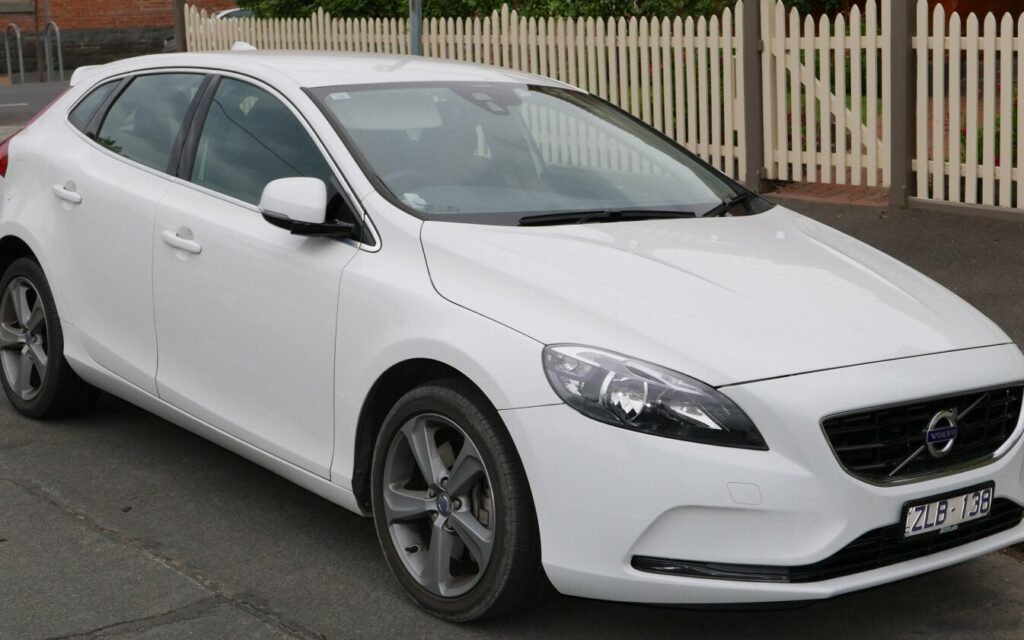
The Volvo V40 D4, produced from 2012 to 2014, represented a significant entry in Volvo’s compact hatchback segment. Built on the C/D platform shared with Ford models of the era (internally designated as the 1HX0/A3 platform), the V40 aimed to blend Scandinavian design with practical functionality. The 2.0 D4 variant, equipped with a 177 horsepower diesel engine, occupied a mid-range position within the V40 lineup, offering a balance between fuel efficiency, performance, and equipment levels. It served as a popular alternative to the lower-powered D2 and D3 models, and a more economical option compared to the range-topping D5.
Volvo V40 2.0 D4: Powertrain & Engine Architecture
The heart of the V40 D4 is the Volvo D5204T4, a 2.0-liter inline-five cylinder diesel engine. This engine is a direct descendant of Volvo’s long-running diesel family, known for its robustness and relatively smooth operation. The D5204T4 utilizes a common rail direct fuel injection system, operating at a maximum pressure of 1,600 bar, ensuring precise fuel delivery and optimized combustion. The engine is turbocharged with a BorgWarner variable geometry turbocharger (VGT) and intercooled, contributing to its responsive power delivery. The valvetrain employs a double overhead camshaft (DOHC) design with four valves per cylinder, maximizing airflow and volumetric efficiency.
The D4 engine produces 177 horsepower at 3,500 rpm and a substantial 400 Nm (295 lb-ft) of torque between 1,750 and 2,750 rpm. This broad torque curve provides strong acceleration in everyday driving situations. The engine features a compression ratio of 16.5:1, typical for modern diesel engines, and meets Euro 5 emission standards, incorporating a diesel particulate filter (DPF) to reduce particulate matter emissions. While a six-speed manual transmission was standard, a six-speed Aisin Warner automatic transmission was also offered, though less common. The automatic transmission was known for its smooth shifts but slightly impacted fuel economy compared to the manual.
Engine Codes & Variations
The D5204T4 engine code specifically identifies the 177 hp output version. Earlier iterations of the 2.0-liter diesel in the V40 family included lower-powered variants, such as the D2 (115 hp) and D3 (150 hp). These engines shared a similar architecture but differed in turbocharger specifications and engine management calibration. The D5, with 215 hp, represented the performance peak of the V40 diesel range, offering significantly more power but at the cost of increased fuel consumption and emissions.
Driving Characteristics
The V40 D4 offered a composed and refined driving experience. The 400 Nm of torque available from relatively low engine speeds provided brisk acceleration, making it well-suited for both urban commuting and highway cruising. The 0-62 mph (0-100 km/h) sprint took approximately 8.6 seconds, a respectable figure for a compact diesel hatchback. The six-speed manual transmission featured a well-defined shift gate and relatively light clutch action. The optional automatic transmission, while smooth, could feel slightly hesitant during quick downshifts.
Compared to the lower-powered D2 and D3 models, the D4 offered a noticeable improvement in performance, particularly when fully loaded or tackling inclines. However, it didn’t possess the outright punch of the D5. The V40’s suspension, tuned for comfort, provided a compliant ride, absorbing bumps and imperfections in the road surface effectively. The steering was precise and well-weighted, offering good feedback to the driver. The front-wheel-drive configuration provided predictable handling, although traction could be limited in slippery conditions.
Equipment & Trim Levels
The V40 D4 was available in several trim levels, including ES, SE, and R-Design. The base ES trim included standard features such as alloy wheels, air conditioning, a CD stereo system, and electric windows. The SE trim added features like rear parking sensors, cruise control, and a leather-wrapped steering wheel. The range-topping R-Design trim featured a more aggressive exterior styling package, sport seats, and upgraded interior trim.
Optional extras included a panoramic sunroof, leather upholstery, a premium sound system, and Volvo’s City Safety system, which automatically applied the brakes at low speeds to mitigate or avoid collisions. Interior upholstery typically consisted of cloth or leather, with a range of color options available. The dashboard layout was clean and modern, with a focus on ergonomics and ease of use. The V40’s interior was generally well-regarded for its quality materials and attention to detail.
Chassis & Braking
The V40 D4 utilized an independent suspension system at both the front and rear. The front suspension employed a McPherson strut design with coil springs and an anti-roll bar, while the rear suspension featured an independent multi-link setup. This configuration provided a good balance between ride comfort and handling stability. The V40 D4 was equipped with ventilated disc brakes at the front and solid disc brakes at the rear. Anti-lock braking system (ABS) was standard, enhancing braking performance and safety. The steering system utilized a rack and pinion design, providing precise and responsive steering feel.
The kerb weight of the V40 D4 was approximately 1,379 kg (3,040 lbs), contributing to its relatively agile handling. The weight distribution was generally well-balanced, further enhancing its stability. The standard tire size was 205/55 R16, providing good grip and ride comfort.
Market Reception & Comparison
The Volvo V40 D4 received generally positive reviews from automotive critics. It was praised for its stylish design, comfortable ride, and fuel-efficient engine. Critics noted that the D4 offered a good balance between performance and economy, making it a practical choice for everyday driving. However, some reviewers criticized the V40’s interior space, which was considered somewhat limited compared to some of its rivals.
Compared to other compact hatchbacks in its class, such as the Audi A3, BMW 1 Series, and Volkswagen Golf, the V40 D4 offered a distinctive Scandinavian design and a focus on safety. Its fuel economy of around 54.7 US mpg (65.7 UK mpg) was competitive with other diesel-powered hatchbacks. Reliability was generally good, although some owners reported issues with the DPF system.
Technical Specifications
| Body Type | Hatchback, 5 Doors, 5 Seats |
| Engine Type | 2.0 l Diesel (D5204T4) |
| Engine Displacement | 1984 cm3 (121.07 cu. in.) |
| Number of Cylinders | 5, Inline |
| Power Output | 177 Hp @ 3500 rpm |
| Torque | 400 Nm (295 lb-ft) @ 1750-2750 rpm |
| Fuel Consumption (Combined) | 4.3 l/100 km (54.7 US mpg, 65.7 UK mpg) |
| CO2 Emissions | 114 g/km |
| Acceleration 0-62 mph | 8.6 sec |
| Maximum Speed | 220 km/h (136.7 mph) |
| Transmission | 6-speed Manual or Automatic |
| Kerb Weight | 1379 kg (3040.17 lbs) |
| Fuel Tank Capacity | 60 l (15.85 US gal, 13.2 UK gal) |
| Dimensions (L x W x H) | 4369 mm x 1802 mm x 1445 mm (172.01 in x 70.94 in x 56.89 in) |
Legacy
The Volvo V40 D4 has proven to be a relatively reliable and durable vehicle in the used car market. The D5204T4 engine, while requiring regular maintenance (including DPF regeneration), is generally considered robust and capable of high mileage. Common issues reported by owners include DPF blockages, turbocharger failures, and occasional problems with the electronic parking brake. However, these issues are not widespread and can often be addressed with proper maintenance and repair. The V40 D4 remains a popular choice for buyers seeking a stylish, fuel-efficient, and well-equipped compact hatchback. Its blend of Scandinavian design, practicality, and safety continues to appeal to a wide range of drivers.
