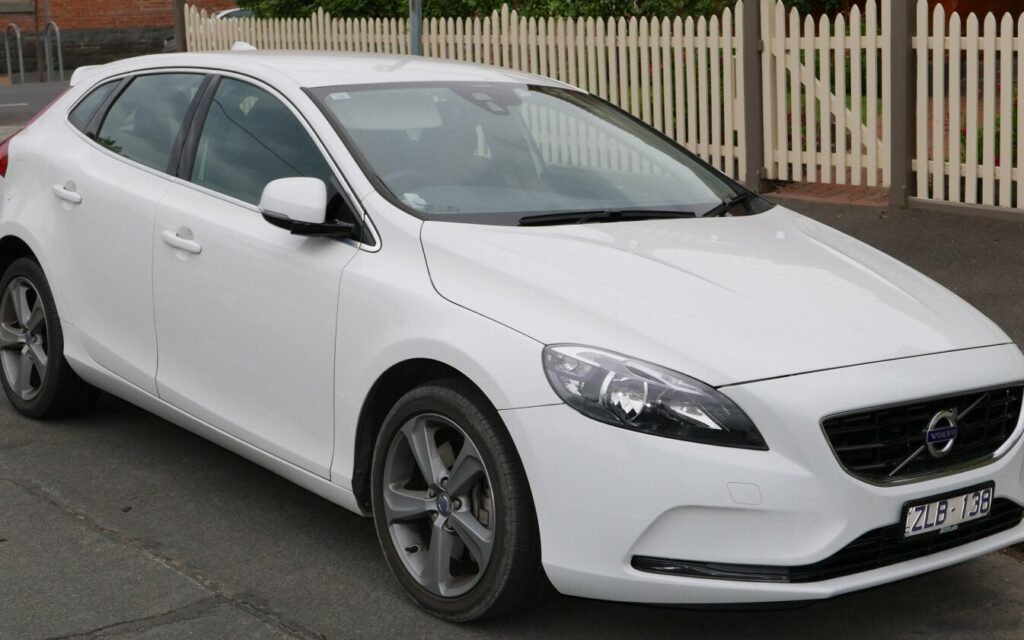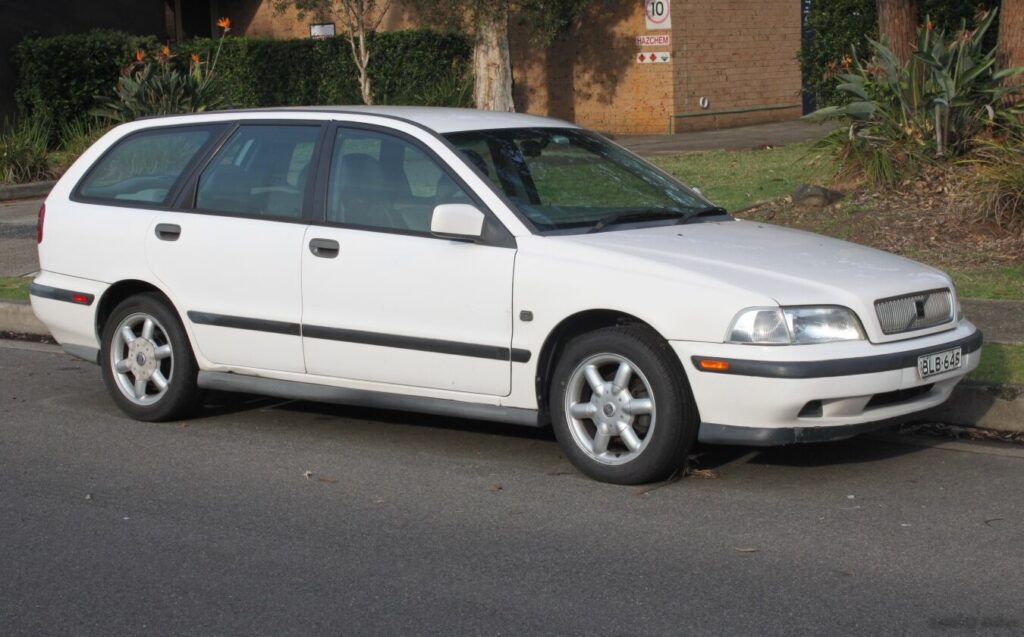
The Volvo V40 Combi, produced between 1995 and 1999, represented a significant effort by Volvo to expand its presence in the compact family car segment. This generation, often referred to as the “VW” variant due to its shared platform with the Volkswagen Golf Mk3, offered a practical and relatively affordable alternative to larger Volvo models. The 1.8 16V engine, producing 115 horsepower, was a key component of the V40 Combi lineup, positioned as a mid-range offering balancing fuel economy with acceptable performance. It served as a step up from the base 1.6L engine, while remaining more accessible than the higher-performance 2.0L and turbocharged options.
The 1.8 16V Engine and its Role in the V40 Combi Lineup
The 1.8 16V variant occupied an important niche within the V40 Combi range. It was designed to appeal to buyers seeking a versatile, family-oriented vehicle without the higher price tag associated with the more powerful engines. This trim level was particularly popular with those prioritizing practicality and running costs over outright speed. While the 2.0L offered a noticeable performance boost, and the turbocharged models catered to enthusiasts, the 1.8 16V provided a sensible compromise for everyday driving.
Powertrain & Engine Architecture
The heart of the V40 Combi 1.8 16V is the Volvo B4184S engine, a 1.8-liter (1731 cc) inline-four cylinder gasoline engine. This engine featured a cast iron block and an aluminum cylinder head, a common configuration for engines of this era. The “16V” designation indicates the engine utilizes four valves per cylinder (two intake and two exhaust), contributing to improved breathing and higher power output compared to older two-valve designs. The engine employed multi-port fuel injection, delivering fuel directly into the intake ports, optimizing combustion efficiency. The B4184S engine is naturally aspirated, meaning it does not utilize a turbocharger or supercharger to force air into the cylinders.
The engine’s valvetrain is a double overhead camshaft (DOHC) design, further enhancing valve control and allowing for higher engine speeds. The compression ratio is set at 10.5:1, a relatively high figure for the time, contributing to the engine’s power output. Engine oil capacity is 5.4 liters (5.71 US quarts / 4.75 UK quarts), and the recommended coolant capacity is 6.3 liters (6.66 US quarts / 5.54 UK quarts). The engine is transversely mounted in the front of the vehicle, driving the front wheels.
The 1.8 16V engine was typically paired with either a 5-speed manual transmission or a 4-speed automatic transmission. The automatic transmission, while offering convenience, was known to slightly diminish acceleration and fuel economy compared to the manual counterpart. The automatic transmission’s gear ratios were optimized for smooth cruising and reasonable acceleration, but it lacked the responsiveness of more modern automatic gearboxes.
Driving Characteristics
The V40 Combi 1.8 16V with the automatic transmission delivered a comfortable, if not particularly exhilarating, driving experience. Acceleration from 0-60 mph took approximately 10.5 seconds, and the top speed was around 195 km/h (121.17 mph). The engine produced 115 hp at 5500 rpm and 165 Nm (121.7 lb-ft) of torque at 4100 rpm. The torque curve was relatively flat, providing adequate pulling power for everyday driving situations, such as overtaking on the highway or climbing hills. However, the engine could feel strained when fully loaded or when attempting rapid acceleration.
The automatic transmission’s shift points were generally smooth, but could sometimes feel hesitant, particularly during kickdown maneuvers. Compared to the manual transmission version, the automatic resulted in a slight decrease in fuel economy. The overall driving experience was geared towards comfort and practicality, rather than sporty performance.
Equipment & Trim Levels
The standard equipment level for the V40 Combi 1.8 16V was reasonably generous for its time. Typically, it included power steering, central locking, electric front windows, and an adjustable steering column. Interior upholstery was usually cloth, with options for upgraded materials available. The dashboard layout was functional and straightforward, prioritizing ease of use over stylistic flair. Optional extras included air conditioning, a sunroof, alloy wheels, and a radio/cassette player. Higher trim levels, such as the SE, added features like upgraded upholstery, wood trim, and additional convenience items.
Chassis & Braking
The V40 Combi utilized a front-wheel-drive layout with independent wishbone suspension at the front and a coil spring rear suspension. This suspension setup provided a comfortable ride quality, absorbing bumps and imperfections in the road surface effectively. The front brakes were ventilated discs, offering good stopping power, while the rear brakes were typically solid discs. Anti-lock Braking System (ABS) was standard, enhancing safety by preventing wheel lockup during hard braking. The steering was a hydraulic power steering system, providing light and easy steering input.
Market Reception & Comparison
The V40 Combi 1.8 16V was generally well-received by automotive critics as a practical and reliable family car. It was praised for its spacious interior, comfortable ride, and reasonable fuel economy. However, some critics noted that the engine lacked the punch of its larger counterparts, and the automatic transmission could feel sluggish at times. Compared to other cars in its class, such as the Ford Focus Estate and the Opel/Vauxhall Astra Estate, the V40 Combi offered a slightly more premium feel and a reputation for solid build quality. Fuel consumption figures ranged from 8.1 to 9.0 l/100 km (29 to 26.1 US mpg, 34.9 to 31.4 UK mpg).
Technical Specifications
| Engine Model/Code | B4184S |
| Engine Displacement | 1731 cm3 (105.63 cu. in.) |
| Number of Cylinders | 4 |
| Engine Configuration | Inline |
| Cylinder Bore | 83 mm (3.27 in.) |
| Piston Stroke | 80 mm (3.15 in.) |
| Compression Ratio | 10.5:1 |
| Number of Valves per Cylinder | 4 |
| Fuel Injection System | Multi-port manifold injection |
| Engine Aspiration | Naturally aspirated |
| Power | 115 Hp @ 5500 rpm |
| Torque | 165 Nm @ 4100 rpm (121.7 lb.-ft. @ 4100 rpm) |
| Kerb Weight | 1303 kg (2872.62 lbs.) |
| Max. Weight | 1740 kg (3836.04 lbs.) |
| Fuel Tank Capacity | 60 l (15.85 US gal | 13.2 UK gal) |
| Length | 4480 mm (176.38 in.) |
| Width | 1720 mm (67.72 in.) |
| Height | 1410 mm (55.51 in.) |
| Wheelbase | 2550 mm (100.39 in.) |
Legacy
The Volvo V40 Combi 1.8 16V, while not the most powerful or exciting variant in the lineup, has proven to be a reliable and durable vehicle. The B4184S engine is known for its longevity, and many examples are still on the road today. The automatic transmission, while not without its flaws, has also proven to be reasonably robust. In the used car market, the V40 Combi 1.8 16V represents a good value proposition for buyers seeking a practical and affordable estate car. Its simple construction and readily available parts make it relatively easy and inexpensive to maintain. The V40 Combi, in general, is remembered fondly as a well-built and versatile vehicle that offered a compelling alternative to more mainstream competitors.