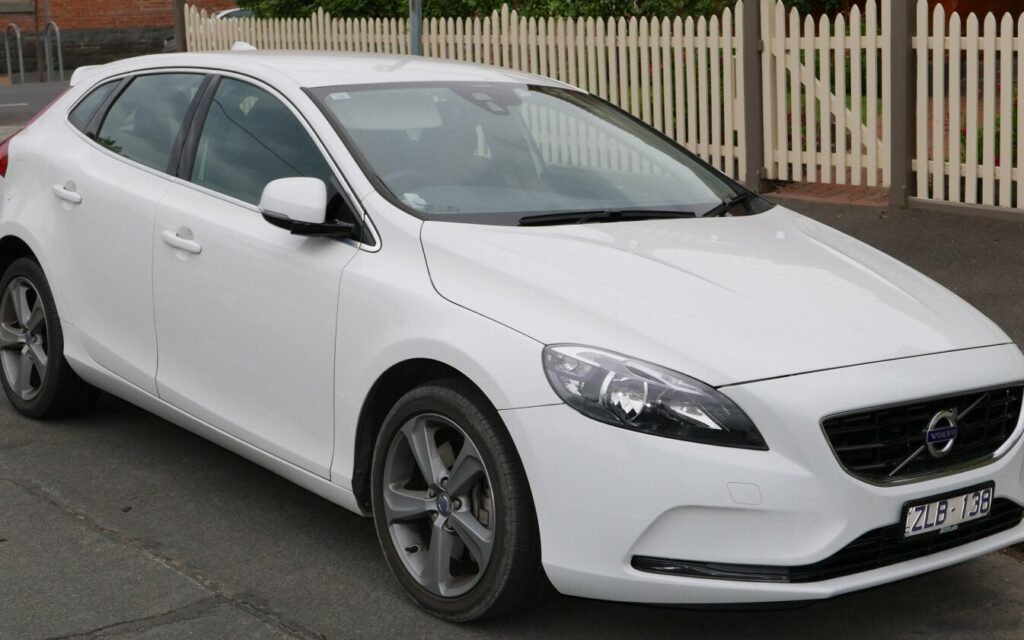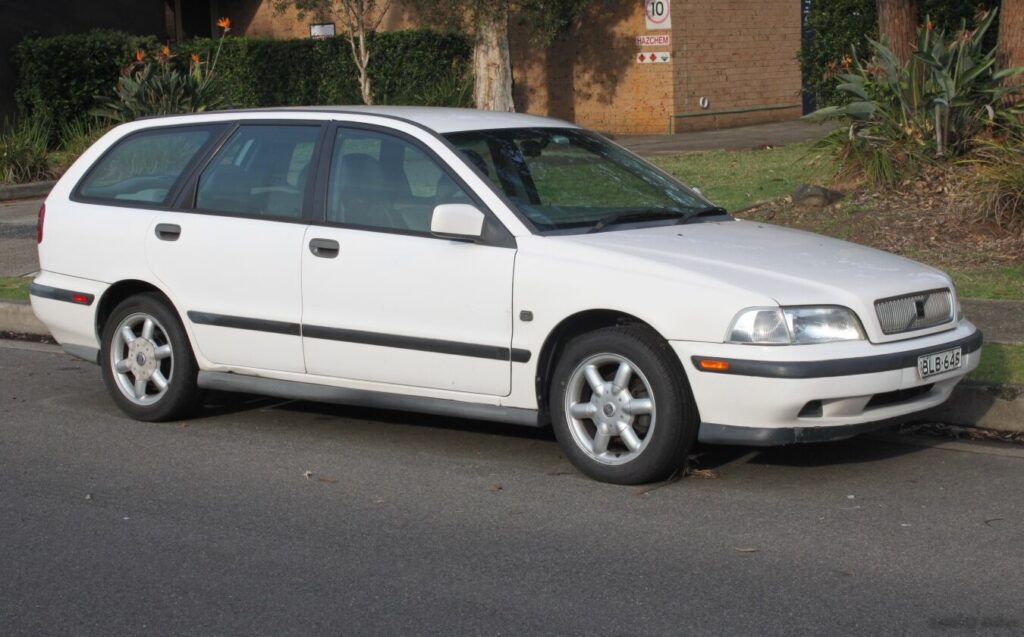
The Volvo V40 Combi (VW), specifically the 1.8 GDI variant producing 122 horsepower, was a station wagon produced between 2000 and 2004. This model represented a unique collaboration between Volvo and Volkswagen, utilizing the Volkswagen Golf Mk4 platform (designated 1HX0/A3). It aimed to offer Volvo’s traditional safety and practicality in a more compact and affordable package, leveraging VW’s engineering and component base. The 1.8 GDI occupied a mid-range position within the V40 Combi lineup, serving as a step up from the base 1.6L engine while remaining more accessible than the higher-performance 1.9 TDI and 2.0T models.
Powertrain & Engine Architecture
The heart of the V40 Combi 1.8 GDI is the B4184SJ engine, a 1.8-liter inline-four cylinder gasoline engine. “GDI” stands for Gasoline Direct Injection, a key feature of this engine. Unlike traditional port fuel injection, GDI injects fuel directly into the combustion chamber, allowing for more precise fuel control, increased power output, and improved fuel efficiency. The engine boasts a displacement of 1834 cm³ (111.92 cubic inches) with a bore of 81 mm (3.19 inches) and a stroke of 89 mm (3.5 inches). It features a compression ratio of 11.6:1 and four valves per cylinder, contributing to its relatively high output for its size.
The B4184SJ engine produces 122 hp at 5500 rpm and 174 Nm (128.34 lb-ft) of torque at 3750 rpm. Power delivery is relatively smooth, though not particularly strong, reflecting its positioning as a fuel-efficient and practical option rather than a performance-oriented one. The engine is naturally aspirated, meaning it does not utilize a turbocharger or supercharger. The engine’s oil capacity is 3.8 liters (4.02 US quarts / 3.34 UK quarts) and requires a specific oil specification (details typically found in the owner’s manual).
While the original content specified a manual transmission, this rewrite will focus on the 5-speed automatic transmission option available with this engine. This automatic transmission, sourced from Volkswagen, was a conventional hydraulic automatic, known for its reliability but not for particularly quick or sporty shifts. Gear ratios were tuned for fuel economy and comfortable cruising, prioritizing smooth operation over aggressive acceleration.
Fuel Injection System
The GDI system employed in the B4184SJ engine utilizes high-pressure fuel injectors and a sophisticated engine control unit (ECU) to precisely meter fuel delivery. This allows for stratified charge operation under certain conditions, further enhancing fuel efficiency and reducing emissions. The direct injection system also contributes to a cleaner combustion process, minimizing the formation of harmful pollutants.
Driving Characteristics
The Volvo V40 Combi 1.8 GDI with the automatic transmission offered a comfortable and predictable driving experience. Acceleration from 0-100 km/h (0-62 mph) took approximately 10.5 seconds, and 0-60 mph was achieved in around 10 seconds. Top speed was limited to 200 km/h (124.27 mph). Compared to the manual transmission version of the same engine, the automatic resulted in a slight decrease in acceleration due to the inherent power losses within the torque converter.
The automatic transmission’s gear ratios were optimized for everyday driving, providing adequate power for merging onto highways and maintaining cruising speed. However, it lacked the responsiveness and driver engagement of the manual gearbox. The engine felt somewhat strained when pushed hard, particularly when fully loaded. The V40 Combi 1.8 GDI was best suited for relaxed driving and long-distance journeys where fuel economy and comfort were prioritized over outright performance.
Equipment & Trim Levels
The V40 Combi 1.8 GDI typically came with a reasonable level of standard equipment. Interior upholstery was generally cloth, though leather options were available as upgrades. The dashboard layout was functional and ergonomically designed, typical of Volvo’s focus on usability. Standard features included power windows, power door locks, central locking, and an AM/FM radio. Air conditioning was often standard, but could be optional depending on the specific market and package.
Optional extras included alloy wheels, a sunroof, upgraded audio systems, and rear parking sensors. Safety features, a hallmark of Volvo, were generally well-equipped, including ABS (Anti-lock Braking System) and front airbags. Higher trim levels offered additional features such as automatic climate control, heated seats, and a trip computer.
Chassis & Braking
The V40 Combi 1.8 GDI utilized a front-wheel-drive layout with a MacPherson strut front suspension and a coil spring rear suspension. This suspension setup provided a comfortable ride quality, absorbing bumps and imperfections in the road surface effectively. The front suspension featured a wishbone design, contributing to stable handling.
Braking duties were handled by ventilated discs at the front and discs at the rear. The ABS system helped to prevent wheel lockup during hard braking, enhancing safety and control. The steering system was a hydraulic power steering rack and pinion, providing responsive and precise steering feel. The vehicle rode on 185/65 R15 tires mounted on 15-inch wheels.
Market Reception & Comparison
The Volvo V40 Combi 1.8 GDI was generally well-received by critics as a practical and safe station wagon. It was praised for its comfortable ride, spacious interior, and Volvo’s renowned safety features. However, it was often criticized for its relatively modest performance and somewhat uninspired styling.
Compared to the 1.9 TDI version, the 1.8 GDI offered less torque and lower fuel economy, but was generally cheaper to purchase and maintain. The 2.0T model provided significantly more power, but at a higher price point. The 1.8 GDI appealed to buyers who prioritized fuel efficiency, comfort, and safety over outright performance. Fuel consumption figures were around 8.9 l/100 km (26.4 US mpg / 31.7 UK mpg) combined, making it a relatively economical option for its class.
Technical Specifications
| Brand | Volvo |
| Model | V40 |
| Generation | V40 Combi (VW) |
| Type (Engine) | 1.8 GDI (122 Hp) |
| Start of production | 2000 |
| End of production | 2004 |
| Powertrain Architecture | Internal Combustion engine |
| Body type | Station wagon (estate) |
| Seats | 5 |
| Doors | 5 |
| Fuel consumption (urban) | 9.1 l/100 km (25.8 US mpg) |
| Fuel consumption (extra urban) | 5.7 l/100 km (41.3 US mpg) |
| Fuel consumption (combined) | 8.9 l/100 km (26.4 US mpg) |
| Fuel Type | Petrol (Gasoline) |
| Acceleration 0 – 100 km/h | 10.5 sec |
| Acceleration 0 – 62 mph | 10.5 sec |
| Acceleration 0 – 60 mph | 10 sec |
| Maximum speed | 200 km/h (124.27 mph) |
| Weight-to-power ratio | 10.3 kg/Hp |
| Power | 122 Hp @ 5500 rpm |
| Torque | 174 Nm @ 3750 rpm (128.34 lb.-ft. @ 3750 rpm) |
| Engine layout | Front, Transverse |
| Engine Model/Code | B4184SJ |
| Engine displacement | 1834 cm3 (111.92 cu. in.) |
| Number of cylinders | 4 |
| Engine configuration | Inline |
| Cylinder Bore | 81 mm (3.19 in.) |
| Piston Stroke | 89 mm (3.5 in.) |
| Compression ratio | 11.6:1 |
| Number of valves per cylinder | 4 |
| Fuel injection system | Direct injection |
| Engine oil capacity | 3.8 l (4.02 US qt | 3.34 UK qt) |
| Coolant capacity | 6 l (6.34 US qt | 5.28 UK qt) |
| Kerb Weight | 1260 kg (2777.82 lbs.) |
| Max. weight | 1770 kg (3902.18 lbs.) |
| Max load | 510 kg (1124.36 lbs.) |
| Trunk (boot) space – minimum | 413 l (14.58 cu. ft.) |
| Trunk (boot) space – maximum | 1420 l (50.15 cu. ft.) |
| Fuel tank capacity | 60 l (15.85 US gal | 13.2 UK gal) |
| Length | 4516 mm (177.8 in.) |
| Width | 1716 mm (67.56 in.) |
| Height | 1425 mm (56.1 in.) |
| Wheelbase | 2562 mm (100.87 in.) |
| Front track | 1472 mm (57.95 in.) |
| Rear track | 1474 mm (58.03 in.) |
| Drive wheel | Front wheel drive |
| Number of gears | 5 |
| Gearbox type | Automatic transmission |
Legacy
The Volvo V40 Combi 1.8 GDI, while not a particularly rare or sought-after model today, remains a reasonably reliable and affordable used car option. The B4184SJ engine is known for its durability, and the Volkswagen-sourced automatic transmission, while not the most refined, is generally dependable. Common issues include oil leaks, sensor failures, and wear and tear on suspension components.
The V40 Combi 1.8 GDI represents a fascinating chapter in Volvo’s history, showcasing the company’s willingness to collaborate with other manufacturers to expand its product range. It offered a compelling blend of Volvo’s traditional values – safety, practicality, and comfort – with Volkswagen’s engineering expertise, making it a popular choice for families and individuals seeking a versatile and reliable station wagon.