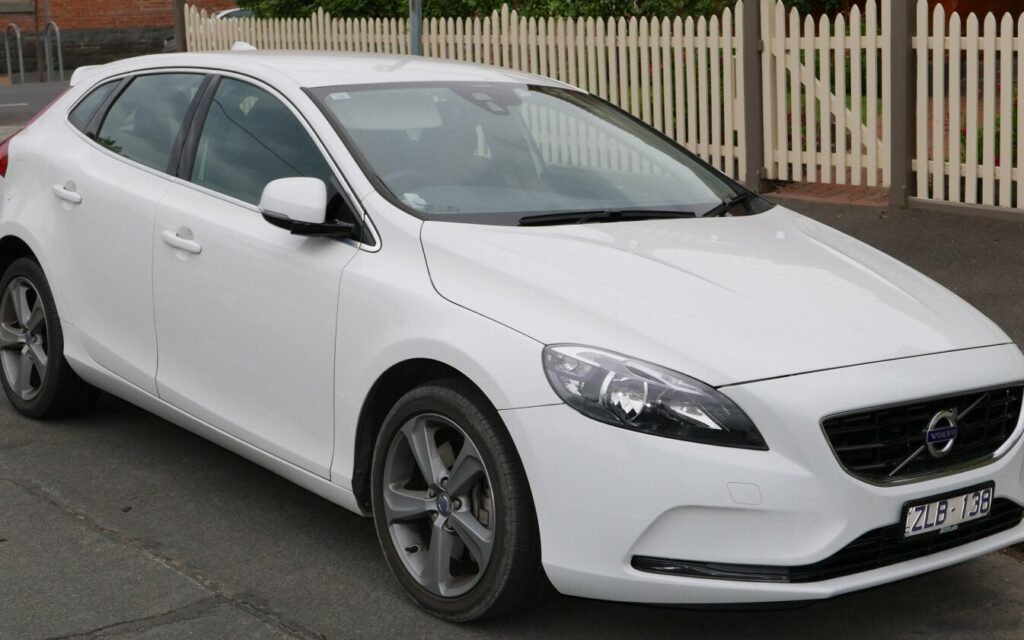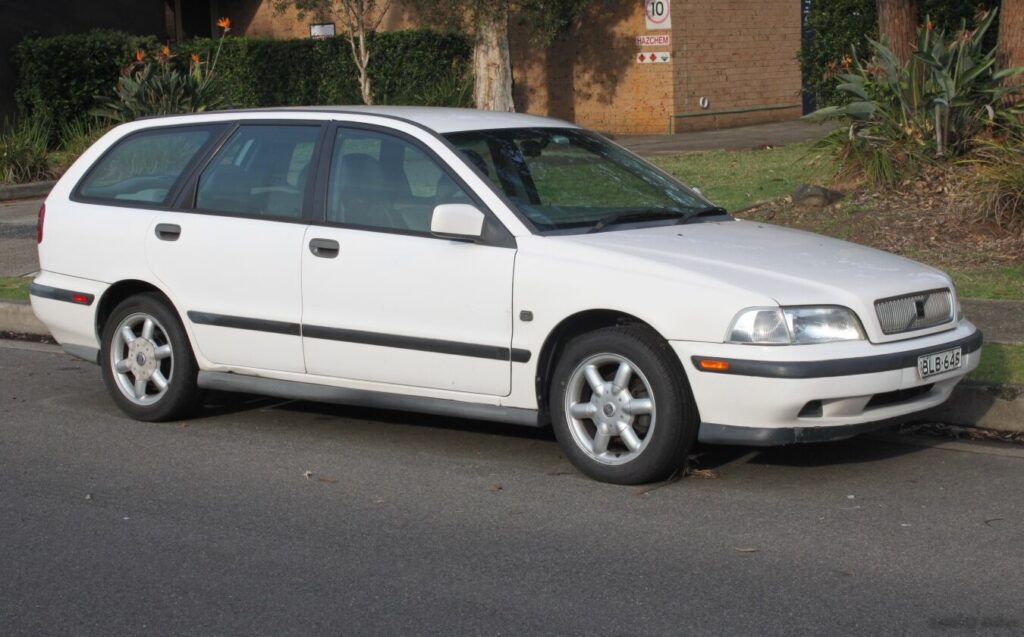
The Volvo V40 Combi 1.9 D, produced between 1999 and 2004, represented a practical and economical offering within the second generation of the V40 series (often referred to as the V40 Combi VW, due to its Volkswagen Group platform underpinnings). This variant, powered by a 1.9-liter turbocharged diesel engine producing 102 horsepower, was positioned as the entry-level diesel option in the V40 Combi range, appealing to buyers prioritizing fuel efficiency and load-carrying capacity over outright performance. It shared the Volkswagen Golf Mk4 platform (PQ34), a collaboration stemming from Volvo’s ownership by Ford at the time.
The 1.9 D Combi: Positioning and Market Role
The V40 Combi 1.9 D occupied a specific niche within the V40 lineup. While the gasoline-powered models offered a more refined driving experience and broader powerband, the 1.9 D focused on maximizing fuel economy and providing ample torque for everyday driving and hauling. Compared to the more powerful 2.0-liter diesel variants, the 1.9 D offered a lower purchase price and reduced running costs, making it attractive to budget-conscious buyers and those covering high annual mileages. It was a direct competitor to other compact estate cars like the Ford Focus Estate, Opel/Vauxhall Astra Estate, and Peugeot 307 SW, all offering similar practicality and diesel engine options.
Powertrain & Engine Architecture
The heart of the V40 Combi 1.9 D is the D4192T4 engine, a 1870cc inline four-cylinder diesel. This engine utilizes a single overhead camshaft (OHC) configuration and is equipped with a turbocharger to boost power output. A key feature of this engine is its diesel commonrail fuel injection system, which delivers fuel directly into the cylinders at extremely high pressure, improving combustion efficiency and reducing emissions. The engine produces 102 hp at 4000 rpm and 215 Nm (158.58 lb-ft) of torque at 1750 rpm. This torque delivery provides good low-end grunt, making it suitable for carrying loads and navigating urban environments. The engine’s compression ratio is relatively high at 18.3:1, typical for a direct injection diesel. Engine oil capacity is 5.6 liters (5.92 US qt / 4.93 UK qt) and requires a specification adhering to Volvo’s standards for the period.
Driving Characteristics
The driving experience in the V40 Combi 1.9 D is characterized by its practicality and fuel efficiency rather than sporty performance. Acceleration from 0 to 100 km/h (0-62 mph) takes approximately 12 seconds, and top speed is limited to 185 km/h (114.95 mph). The engine delivers its peak torque at relatively low engine speeds, providing adequate pulling power for everyday driving. The five-speed manual transmission, standard on this model, is well-matched to the engine’s characteristics, offering smooth gear changes. Compared to the higher-powered diesel variants, the 1.9 D feels less responsive, particularly at higher speeds. However, its lower weight and efficient engine contribute to respectable fuel economy figures – approximately 7.5 l/100 km (31.4 US mpg) in urban conditions and 4.2 l/100 km (56 US mpg) on the open road.
Equipment & Trim Levels
The V40 Combi 1.9 D typically came with a reasonable level of standard equipment, focusing on practicality and safety. Standard features generally included power steering, central locking, electric front windows, and an anti-lock braking system (ABS). Interior upholstery was typically cloth, with a functional and durable design. Dashboard configuration was relatively simple and straightforward, prioritizing ease of use. Optional extras available for this trim level included alloy wheels, air conditioning, a sunroof, and a radio/CD player. Higher trim levels, such as the SE, added features like leather upholstery, upgraded audio systems, and additional exterior trim.
Chassis & Braking
The V40 Combi 1.9 D utilizes a front-wheel-drive layout with a MacPherson strut front suspension and a coil spring rear suspension. This suspension setup provides a comfortable ride quality, although it is not particularly sporty. The front brakes are ventilated discs, providing good stopping power, while the rear brakes are solid discs. The steering is a hydraulic rack and pinion system, offering precise and responsive handling. The vehicle rides on 205/50 R16 tires, mounted on 16-inch steel or alloy wheels. The kerb weight of the V40 Combi 1.9 D is 1320 kg (2910.1 lbs), contributing to its relatively modest performance.
Market Reception & Comparison
The V40 Combi 1.9 D received generally positive reviews from automotive critics, who praised its fuel efficiency, practicality, and comfortable ride. However, some critics noted its lack of outright performance compared to other models in the V40 range. Fuel economy was consistently highlighted as a strong point, making it an attractive option for drivers covering long distances. Reliability was generally good, although, like all diesel engines, it required regular maintenance to prevent issues with the fuel injection system and turbocharger. Compared to the 2.0-liter diesel variants, the 1.9 D offered a lower purchase price and reduced running costs, but at the expense of performance. Against its competitors, the V40 Combi 1.9 D offered a compelling combination of practicality, fuel efficiency, and safety.
Technical Specifications
| Engine Type | Inline 4-Cylinder Diesel |
| Engine Displacement | 1870 cm3 (114.11 cu in) |
| Engine Code | D4192T4 |
| Power Output | 102 hp @ 4000 rpm |
| Torque Output | 215 Nm (158.58 lb-ft) @ 1750 rpm |
| Fuel Injection | Diesel Commonrail |
| Turbocharger | Yes |
| Valvetrain | OHC |
| Compression Ratio | 18.3:1 |
| Transmission | 5-Speed Manual |
| Drive Type | Front-Wheel Drive |
| Kerb Weight | 1320 kg (2910.1 lbs) |
| Maximum Weight | 1800 kg (3968.32 lbs) |
| Fuel Consumption (Urban) | 7.5 l/100 km (31.4 US mpg) |
| Fuel Consumption (Extra Urban) | 4.2 l/100 km (56 US mpg) |
| 0-100 km/h | 12 seconds |
| Top Speed | 185 km/h (114.95 mph) |
| Fuel Tank Capacity | 60 liters (15.85 US gal) |
| Trunk Space (Minimum) | 413 liters (14.58 cu ft) |
| Trunk Space (Maximum) | 1420 liters (50.15 cu ft) |
Legacy
The Volvo V40 Combi 1.9 D, while not the most powerful or exciting variant in the range, has proven to be a reliable and durable vehicle. The D4192T4 engine, when properly maintained, is capable of covering high mileages. In the used car market today, these vehicles are often sought after by buyers looking for an affordable and practical estate car. Common issues include wear and tear on the turbocharger, fuel injector problems, and corrosion, particularly in colder climates. However, parts availability is generally good, and the relatively simple mechanical design makes it relatively easy to repair. The V40 Combi 1.9 D remains a testament to Volvo’s commitment to building safe, reliable, and practical vehicles.