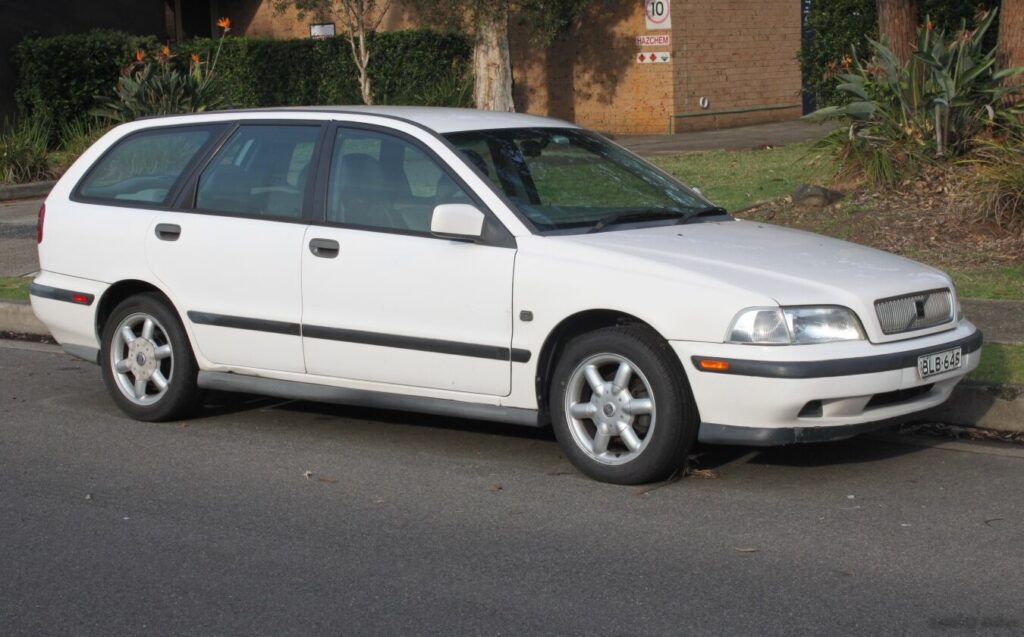
The Volvo V40 Combi 1.9 D, produced between 1999 and 2004, represents a unique chapter in Volvo’s history. This variant was essentially a rebadged Volkswagen Golf IV Estate, a result of the strategic partnership between Volvo and Volkswagen AG during the late 1990s. The V40 Combi aimed to provide Volvo customers with a practical, affordable, and fuel-efficient station wagon, leveraging Volkswagen’s established platform and engineering. This particular 1.9-liter diesel version, producing 115 horsepower, occupied the lower-mid range of the V40 Combi lineup, positioned as a sensible and economical choice for families and individuals prioritizing practicality over outright performance. It sat below the petrol-powered variants and above any potential base-level trims, offering a balance between cost and capability.
Powertrain & Engine Architecture
The heart of the V40 Combi 1.9 D is the Volkswagen-sourced D4192T3 engine, a 1.9-liter inline four-cylinder diesel. This engine is a member of the Volkswagen Group’s well-regarded diesel family, known for its durability and relatively simple mechanical design. The engine utilizes a single overhead camshaft (SOHC) valvetrain with two valves per cylinder. Fuel is delivered via a Diesel Commonrail direct injection system, which improved fuel atomization and reduced engine noise compared to earlier diesel injection technologies. A turbocharger with an intercooler is employed to boost power and torque, providing a noticeable improvement in responsiveness. The engine’s displacement is 1870 cm³ (114.11 cubic inches), and it achieves a compression ratio of 19:1. The engine is transversely mounted in the front of the vehicle.
The V40 Combi 1.9 D was exclusively offered with a five-speed manual transmission. This transmission was also sourced from Volkswagen and was chosen for its robustness and efficiency. The gear ratios were tuned to prioritize fuel economy and everyday drivability, rather than sporty acceleration. The transmission’s shift quality was generally considered smooth and precise, typical of Volkswagen-engineered gearboxes.
Engine Specifications
- Engine Code: D4192T3
- Displacement: 1870 cm³ (114.11 cu. in.)
- Configuration: Inline-4
- Valvetrain: SOHC, 2 valves/cylinder
- Fuel Injection: Diesel Commonrail
- Aspiration: Turbocharged with Intercooler
- Compression Ratio: 19:1
Driving Characteristics
The V40 Combi 1.9 D delivers a driving experience focused on practicality and fuel efficiency. With 115 horsepower and 265 Nm (195.45 lb-ft) of torque available at 1750 rpm, acceleration is adequate for everyday driving, but not particularly brisk. Zero to 100 km/h (0-62 mph) takes approximately 10.5 seconds, and top speed is rated at 195 km/h (121.17 mph). The turbocharger provides a noticeable boost in power during acceleration, but the engine doesn’t feel particularly eager at higher RPMs. The five-speed manual transmission is well-matched to the engine’s characteristics, allowing drivers to keep the engine in its optimal torque band for efficient cruising and overtaking. Compared to the petrol-powered V40 Combi variants, the 1.9 D offers significantly better fuel economy but lacks the same level of responsiveness and overall performance. Compared to a potential higher-output TDI variant, the 115hp model provides a more economical option, sacrificing some power for improved fuel consumption.
Equipment & Trim Levels
The V40 Combi 1.9 D typically came with a reasonable level of standard equipment, reflecting its position as a mid-range offering. Standard features generally included power steering, central locking, electric front windows, and an AM/FM radio. Interior upholstery was typically cloth, with a durable and practical design. The dashboard layout was functional and straightforward, prioritizing ease of use over stylistic flair. Optional extras available for the 1.9 D included air conditioning, alloy wheels, a sunroof, and upgraded audio systems. Higher trim levels might have added features such as rear electric windows, a trip computer, and more premium interior materials. Safety features, consistent with Volvo’s reputation, included ABS (Anti-lock Braking System) as standard.
Chassis & Braking
The V40 Combi 1.9 D utilizes a front-wheel-drive chassis based on the Volkswagen Golf IV platform. The front suspension consists of wishbones, providing a comfortable and controlled ride. The rear suspension employs a coil spring setup. The braking system features ventilated discs on the front wheels and solid discs on the rear wheels. The ABS system helps to maintain steering control during emergency braking. The steering is rack and pinion with hydraulic power assistance, offering a responsive and precise feel. Typical tire sizes were 195/60 R15 or 205/50 R16, mounted on 15 or 16-inch steel or alloy wheels. The suspension tuning was geared towards comfort and stability, rather than sporty handling.
Market Reception & Comparison
The V40 Combi 1.9 D was generally well-received by automotive critics as a practical and economical station wagon. It was praised for its fuel efficiency, spacious interior, and comfortable ride. However, some critics noted that the engine lacked the refinement and performance of some of its competitors. Compared to other diesel station wagons available at the time, the V40 Combi 1.9 D offered a competitive combination of price, fuel economy, and practicality. Its fuel consumption figures of 7.3 l/100 km (32.2 US mpg) urban, 4.5 l/100 km (52.3 US mpg) extra-urban, and 6.3 l/100 km (37.3 US mpg) combined were considered excellent for its class. In terms of reliability, the Volkswagen-sourced diesel engine proved to be generally robust, although regular maintenance was essential to prevent issues. Compared to the petrol variants of the V40 Combi, the 1.9 D offered significantly better fuel economy, making it a popular choice for drivers covering long distances.
Technical Specifications
| Brand | Volvo |
| Model | V40 |
| Generation | V40 Combi (VW) |
| Type (Engine) | 1.9 D (115 Hp) |
| Start of production | 1999 |
| End of production | 2004 |
| Body type | Station wagon (estate) |
| Seats | 5 |
| Doors | 5 |
| Fuel consumption (urban) | 7.3 l/100 km (32.2 US mpg) |
| Fuel consumption (extra urban) | 4.5 l/100 km (52.3 US mpg) |
| Fuel consumption (combined) | 6.3 l/100 km (37.3 US mpg) |
| Fuel Type | Diesel |
| Acceleration 0 – 100 km/h | 10.5 sec |
| Acceleration 0 – 62 mph | 10.5 sec |
| Maximum speed | 195 km/h (121.17 mph) |
| Engine Displacement | 1870 cm3 (114.11 cu. in.) |
| Power | 115 Hp @ 4000 rpm |
| Torque | 265 Nm @ 1750 rpm (195.45 lb.-ft. @ 1750 rpm) |
| Kerb Weight | 1320 kg (2910.1 lbs.) |
| Max. weight | 1800 kg (3968.32 lbs.) |
| Trunk (boot) space – minimum | 413 l (14.58 cu. ft.) |
| Trunk (boot) space – maximum | 1420 l (50.15 cu. ft.) |
| Fuel tank capacity | 60 l (15.85 US gal) |
| Length | 4516 mm (177.8 in.) |
| Width | 1716 mm (67.56 in.) |
| Height | 1425 mm (56.1 in.) |
Legacy
The Volvo V40 Combi 1.9 D, while a product of a unique collaboration, has proven to be a relatively reliable and durable vehicle. The Volkswagen-sourced diesel engine, when properly maintained, can withstand high mileage. Today, these vehicles are often found on the used car market at affordable prices, making them attractive options for budget-conscious buyers seeking a practical and economical station wagon. However, potential buyers should be aware of the age-related issues common to vehicles of this era, such as wear and tear on suspension components and potential corrosion. The 1.9 TDI engine, while not known for blistering performance, is generally considered a robust and dependable unit, and parts availability remains reasonable. The V40 Combi 1.9 D represents a distinctive blend of Volvo practicality and Volkswagen engineering, offering a unique and affordable option in the used car market.