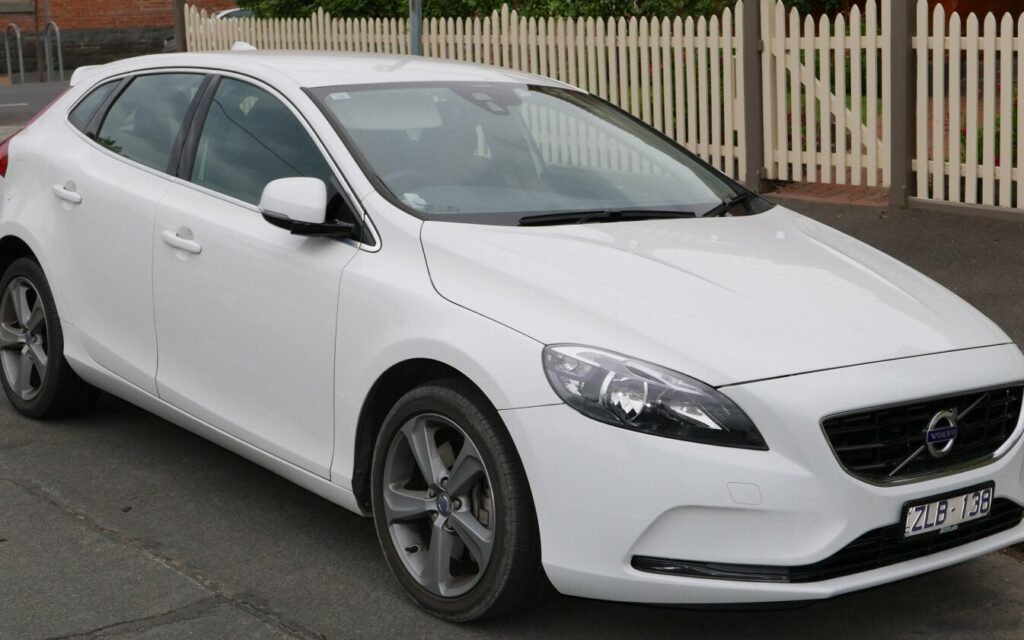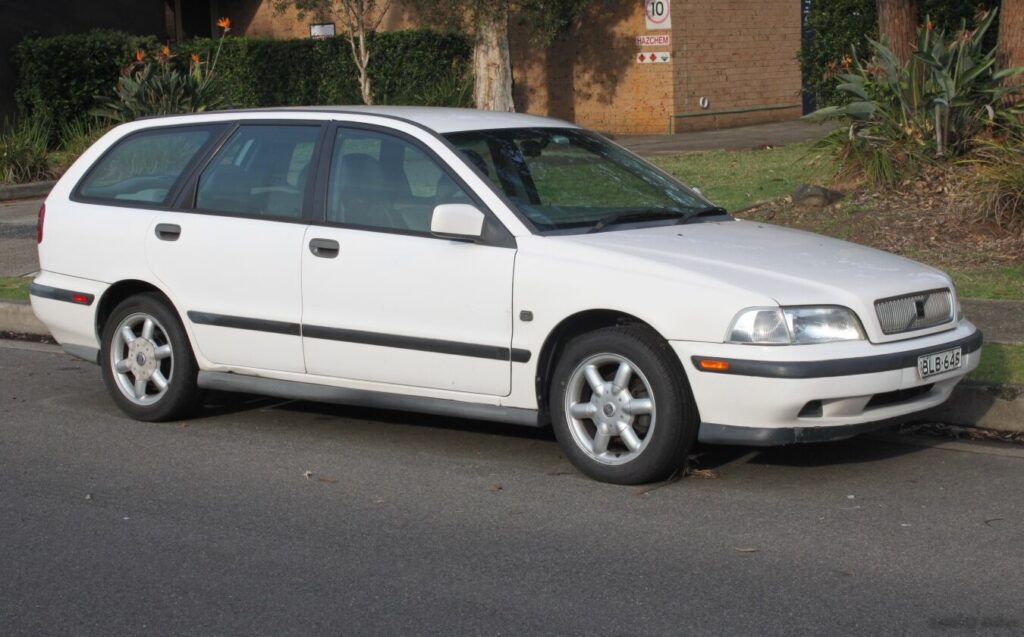
The Volvo V40 Combi, specifically the 1.9 TD variant producing 90 horsepower, was a practical and economical station wagon produced between 1995 and 1999. This model represented a collaboration between Volvo and Volkswagen, utilizing the Volkswagen Golf Mk3 platform (1HX0/A3). Positioned as an entry-level offering within the V40 Combi range, it aimed to provide a balance of fuel efficiency, cargo capacity, and affordability, appealing to families and those needing a versatile vehicle. It was a key part of Volvo’s strategy to offer a more compact and accessible estate car, broadening their appeal beyond the larger, more traditionally luxurious models.
The 1.9 TD: A Value-Oriented Combi
The 1.9 TD trim occupied the lower end of the V40 Combi spectrum. While more powerful engine options, like the 1.8L gasoline and 2.0L gasoline variants, were available, the 1.9 TD prioritized fuel economy and torque for everyday driving. Compared to the gasoline engines, the diesel offered significantly better mileage, making it a popular choice for high-mileage drivers. It differed substantially from the later, more sophisticated diesel offerings Volvo would develop in-house, relying on Volkswagen’s established diesel technology. The target audience was pragmatic buyers seeking a reliable and economical family vehicle, rather than performance enthusiasts.
Powertrain & Engine Architecture
The heart of the V40 1.9 TD was the Volkswagen-sourced D4192T engine, a 1.9-liter inline four-cylinder diesel. This engine featured precombustion chamber injection, a system common in Volkswagen diesels of the era. This system involved a small precombustion chamber where fuel was partially ignited before being injected into the main cylinder, promoting more complete combustion and reducing emissions. The engine displaced 1870 cm³ (114.11 cubic inches) and produced 90 hp at 4250 rpm and 176 Nm (129.81 lb-ft) of torque at 2250 rpm. The compression ratio was a high 20.5:1, typical for diesel engines. The valvetrain utilized an overhead camshaft (OHC) configuration with two valves per cylinder. Engine oil capacity was 5 liters (5.28 US quarts), and coolant capacity was 6.3 liters (6.66 US quarts).
The engine was transversely mounted in the front of the vehicle. The 1.9 TD was typically paired with a five-speed manual transmission, although a four-speed automatic transmission was also available, albeit less common. The automatic transmission, while offering convenience, impacted fuel economy and acceleration compared to the manual version. The transmission was designed to handle the diesel engine’s torque characteristics, providing relatively smooth shifts, though not as refined as more modern automatic gearboxes.
Driving Characteristics
The 1.9 TD V40 Combi wasn’t designed for outright speed. Acceleration from 0-100 km/h (0-62 mph) took approximately 13 seconds, and 0-60 mph was achieved in around 12.4 seconds. The top speed was 185 km/h (114.95 mph). However, the engine’s 176 Nm of torque, available from a relatively low 2250 rpm, provided adequate pulling power for everyday driving and hauling loads. The automatic transmission, when equipped, altered the driving experience, offering smoother acceleration but at the cost of responsiveness. Gear ratios were optimized for fuel efficiency and cruising comfort rather than sporty performance. The car felt stable and predictable, making it a comfortable long-distance cruiser, but lacked the dynamic handling of some of its competitors.
Equipment & Trim Levels
The 1.9 TD Combi typically came with a fairly basic level of equipment, reflecting its position as an entry-level model. Standard features generally included power steering, central locking, and a basic stereo system. Interior upholstery was typically cloth, and the dashboard featured a functional, if somewhat utilitarian, design. Optional extras included air conditioning, electric windows, and upgraded audio systems. Higher trim levels, available with the more powerful engines, offered features like leather upholstery, alloy wheels, and more sophisticated audio systems, but these were less common on the 1.9 TD.
Chassis & Braking
The V40 Combi’s chassis was based on the Volkswagen Golf Mk3 platform, providing a solid and reliable foundation. Front suspension utilized a wishbone setup, while the rear featured an independent multi-link suspension, offering a good balance of ride comfort and handling. Braking consisted of ventilated discs on the front wheels and discs on the rear. Anti-lock Braking System (ABS) was standard, enhancing safety. The car’s curb weight of 1250 kg (2755.78 lbs) contributed to its stable handling characteristics. Tire size was typically 195/55 R15, mounted on 15-inch steel or alloy wheels.
Market Reception & Comparison
The V40 1.9 TD Combi was generally well-received by critics as a practical and economical family car. Its fuel economy was a major selling point, particularly in Europe where diesel fuel was often cheaper than gasoline. However, the engine was sometimes criticized for being somewhat noisy and lacking the refinement of more modern diesel engines. Compared to the gasoline-powered V40 Combi variants, the 1.9 TD offered significantly better fuel economy but less overall performance. Reliability was generally good, benefiting from Volkswagen’s established diesel technology, although maintenance costs could be higher due to the complexity of the fuel injection system. Competitors included other compact estate cars like the Ford Escort Estate and the Opel/Vauxhall Astra Estate.
Technical Specifications
| Engine Model/Code | D4192T |
| Engine Displacement | 1870 cm3 (114.11 cu. in.) |
| Number of Cylinders | 4, Inline |
| Power | 90 Hp @ 4250 rpm |
| Torque | 176 Nm @ 2250 rpm (129.81 lb.-ft. @ 2250 rpm) |
| Fuel Type | Diesel |
| Fuel Consumption (Urban) | 8.3 l/100 km (28.3 US mpg / 34 UK mpg) |
| Fuel Consumption (Extra Urban) | 5.2 l/100 km (45.2 US mpg / 54.3 UK mpg) |
| Acceleration 0-100 km/h | 13 sec |
| Maximum Speed | 185 km/h (114.95 mph) |
| Kerb Weight | 1250 kg (2755.78 lbs) |
| Max. Weight | 1790 kg (3946.27 lbs) |
| Trunk Space (Minimum) | 471 l (16.63 cu. ft.) |
| Trunk Space (Maximum) | 1421 l (50.18 cu. ft.) |
| Fuel Tank Capacity | 60 l (15.85 US gal / 13.2 UK gal) |
| Engine Oil Capacity | 5 l (5.28 US qt / 4.4 UK qt) |
| Coolant Capacity | 6.3 l (6.66 US qt / 5.54 UK qt) |
Legacy
The Volvo V40 1.9 TD Combi, while not a particularly glamorous or high-performance vehicle, proved to be a reliable and practical choice for many buyers. The D4192T engine, while aging, is known for its durability when properly maintained. On the used car market today, these models are relatively affordable and can still provide years of service. However, potential buyers should be aware of the age-related issues common to older diesel engines, such as fuel injection pump wear and potential turbocharger problems. The V40 Combi, in all its variants, represents a unique chapter in Volvo’s history, showcasing their willingness to collaborate with other manufacturers to expand their product range and reach a wider audience. The 1.9 TD specifically remains a testament to the enduring appeal of a simple, economical, and versatile station wagon.