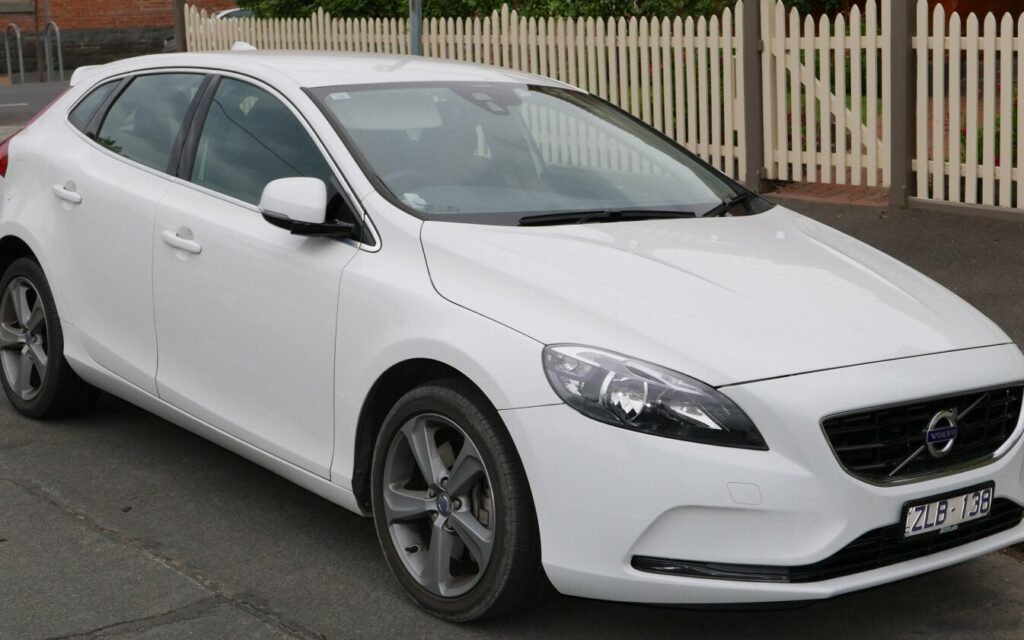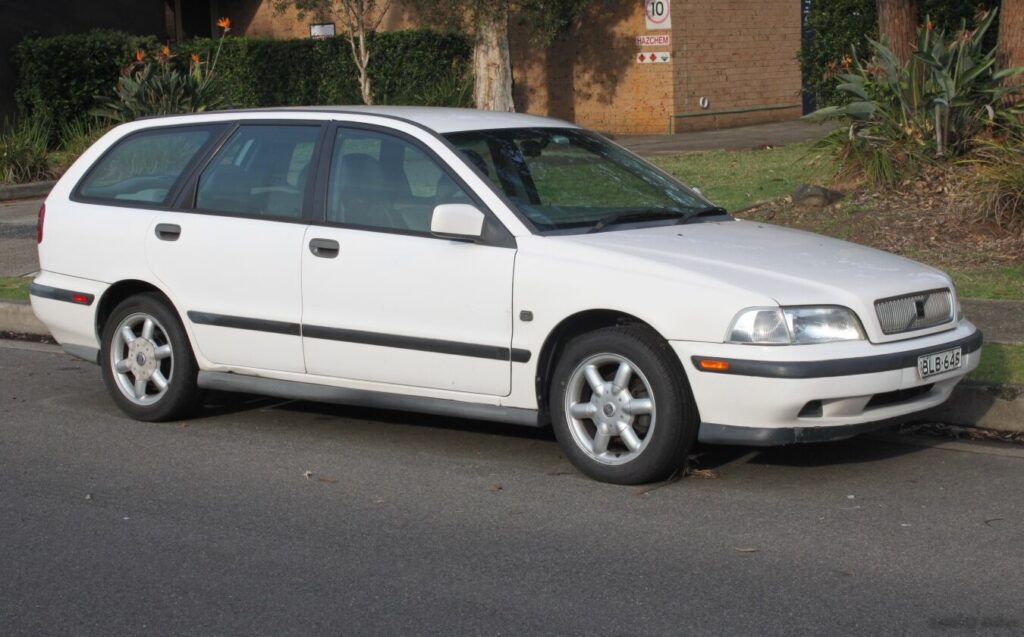
The Volvo V40 Combi, specifically the 2.0 16V variant produced between 1995 and 1999, represents a unique chapter in Volvo’s history. This model was the result of a strategic partnership with Volkswagen, utilizing the VW Golf Mk3 platform (1HX0/A3) as its foundation. While bearing the Volvo badge and incorporating Scandinavian design cues, the V40 Combi 2.0 16V shared significant mechanical components with its Volkswagen counterpart. This particular engine and trim level occupied a mid-range position within the V40 Combi lineup, offering a balance between performance and affordability, appealing to families and drivers seeking a practical and reasonably equipped station wagon.
The 2.0 16V Powertrain & Engine Architecture
At the heart of the V40 Combi 2.0 16V lies the B4204S engine, a naturally aspirated, inline-four cylinder gasoline engine displacing 1948 cc (118.87 cubic inches). This engine, while developed by Volvo, benefited from Volkswagen’s engineering expertise in fuel injection and engine management. It featured a multi-port fuel injection system, delivering fuel directly into the intake ports, and a double overhead camshaft (DOHC) valvetrain operating four valves per cylinder. This configuration allowed for efficient cylinder filling and exhaust scavenging, contributing to the engine’s respectable power output.
The engine produced 136 horsepower at 5800 rpm and 190 Nm (140.14 lb-ft) of torque at 4000 rpm. The compression ratio was set at 10.5:1. The engine’s bore and stroke measured 83 mm (3.27 inches) and 90 mm (3.54 inches) respectively. The engine required 5.4 liters (5.71 US quarts) of engine oil, specified to Volvo’s standards for the period, and 6.3 liters (6.66 US quarts) of coolant.
The V40 Combi 2.0 16V was primarily offered with a 5-speed manual transmission. While an automatic transmission was available in some markets, it was less common and generally resulted in slightly reduced performance and fuel economy. The manual transmission provided a direct connection between the engine and the front wheels, enhancing driver engagement and control.
Comparison with Other V40 Combi Variants
The 2.0 16V engine represented a step up in performance compared to the base 1.6-liter engine offered in the V40 Combi range. The 1.6-liter engine, while more fuel-efficient, lacked the torque and overall responsiveness of the 2.0-liter. Conversely, the higher-performance 2.0-liter turbocharged models, though offering significantly more power, came at a higher price point and typically appealed to a different segment of buyers seeking a sportier driving experience. The 2.0 16V struck a balance, providing adequate power for everyday driving and long-distance journeys without the added cost and complexity of a turbocharger.
Driving Characteristics
The V40 Combi 2.0 16V offered a comfortable and predictable driving experience. The 136 hp engine provided sufficient power for confident acceleration, with a 0-60 mph time of approximately 9.2 seconds and a top speed of 205 km/h (127.38 mph). The engine’s torque curve was relatively flat, delivering usable power across a wide range of engine speeds. The 5-speed manual transmission allowed drivers to effectively manage the engine’s power, selecting the appropriate gear for various driving conditions. The gear ratios were tuned for a balance between acceleration and fuel economy. Compared to the turbocharged variants, the 2.0 16V felt less urgent in its acceleration, but it offered a more linear and predictable power delivery.
The front-wheel-drive configuration provided good traction in most conditions, although it could exhibit some torque steer under hard acceleration. The steering was light and precise, making the V40 Combi easy to maneuver in urban environments. The suspension, tuned for comfort, absorbed bumps and imperfections in the road surface effectively, providing a smooth and refined ride.
Equipment & Trim Levels
The V40 Combi 2.0 16V typically came equipped with a reasonable level of standard features. These included power steering, central locking, electric front windows, and an adjustable steering column. Interior upholstery was typically cloth, with options for upgraded materials available. The dashboard layout was functional and ergonomically designed, with clear and easy-to-read instrumentation. Optional extras included air conditioning, a sunroof, alloy wheels, and an upgraded audio system. The trim level could vary depending on the market, with some regions offering more comprehensive packages than others.
Chassis & Braking
The V40 Combi 2.0 16V utilized a front suspension system based on wishbones, providing good handling and stability. The rear suspension employed coil springs, offering a comfortable ride. The braking system consisted of ventilated discs on the front wheels and discs on the rear wheels. Anti-lock braking system (ABS) was standard, enhancing braking performance and safety. The steering system was a rack and pinion type with hydraulic power assistance. The vehicle rode on 205/55 R15 tires mounted on 15-inch wheels.
Market Reception & Comparison
The V40 Combi 2.0 16V was generally well-received by automotive critics. It was praised for its practicality, comfortable ride, and reasonable performance. However, some critics noted that the engine lacked the refinement and power of some of its competitors. Fuel economy was considered to be average for its class, with combined fuel consumption figures of around 9.1 l/100 km (25.8 US mpg). In terms of reliability, the V40 Combi 2.0 16V proved to be a relatively dependable vehicle, although regular maintenance was essential to prevent issues. Compared to the turbocharged variants, the 2.0 16V offered lower running costs due to its simpler engine design and reduced maintenance requirements.
Technical Specifications
| Brand | Volvo |
| Model | V40 |
| Generation | V40 Combi (VW) |
| Type (Engine) | 2.0 16V (136 Hp) |
| Start of production | 1995 |
| End of production | 1999 |
| Body type | Station wagon (estate) |
| Seats | 5 |
| Doors | 5 |
| Fuel consumption (urban) | 11.8 l/100 km (19.9 US mpg) |
| Fuel consumption (extra urban) | 6.3 l/100 km (37.3 US mpg) |
| Fuel consumption (combined) | 9.1 l/100 km (25.8 US mpg) |
| Fuel Type | Petrol (Gasoline) |
| Acceleration 0 – 100 km/h | 9.7 sec |
| Acceleration 0 – 62 mph | 9.7 sec |
| Acceleration 0 – 60 mph | 9.2 sec |
| Maximum speed | 205 km/h (127.38 mph) |
| Power | 136 Hp @ 5800 rpm |
| Torque | 190 Nm @ 4000 rpm (140.14 lb.-ft. @ 4000 rpm) |
| Engine layout | Front, Transverse |
| Engine displacement | 1948 cm3 (118.87 cu. in.) |
| Number of cylinders | 4 |
| Cylinder Bore | 83 mm (3.27 in.) |
| Piston Stroke | 90 mm (3.54 in.) |
| Compression ratio | 10.5:1 |
| Kerb Weight | 1315 kg (2899.08 lbs.) |
| Max. weight | 1790 kg (3946.27 lbs.) |
| Trunk (boot) space – minimum | 470 l (16.6 cu. ft.) |
| Trunk (boot) space – maximum | 1420 l (50.15 cu. ft.) |
| Fuel tank capacity | 60 l (15.85 US gal) |
| Length | 4516 mm (177.8 in.) |
| Width | 1716 mm (67.56 in.) |
| Height | 1425 mm (56.1 in.) |
Legacy
The Volvo V40 Combi 2.0 16V, while not the most powerful or technologically advanced variant in the lineup, remains a popular choice among enthusiasts and practical drivers alike. Its robust engine, comfortable ride, and spacious interior have ensured its longevity. In the used car market, these models are generally affordable and offer good value for money. The B4204S engine, while requiring regular maintenance, is known for its durability. However, potential buyers should be aware of common issues such as oil leaks and wear in the suspension components. Overall, the V40 Combi 2.0 16V represents a well-rounded and dependable station wagon that continues to provide years of reliable service.