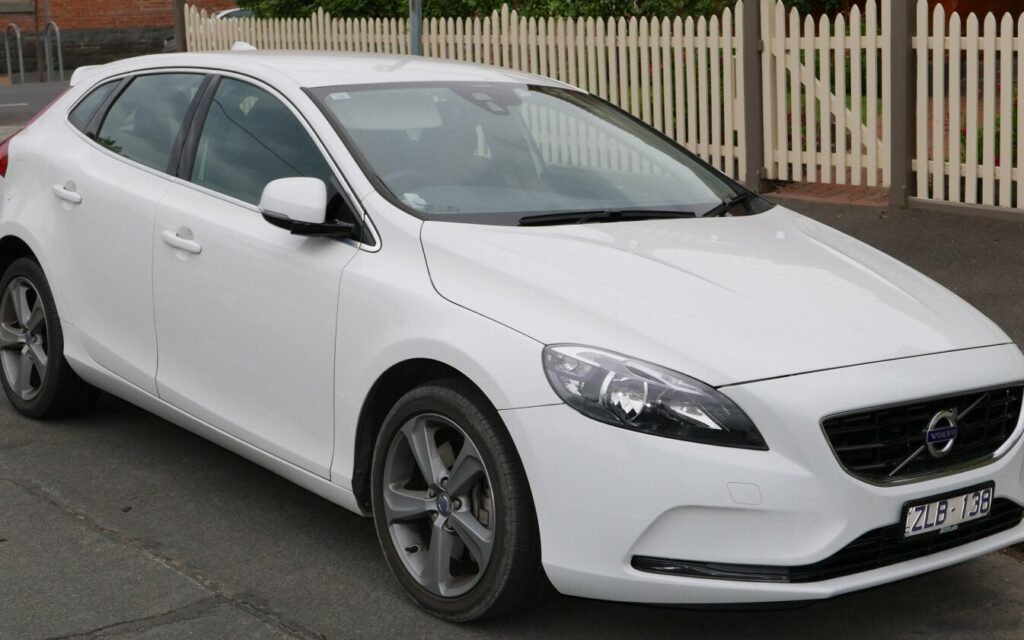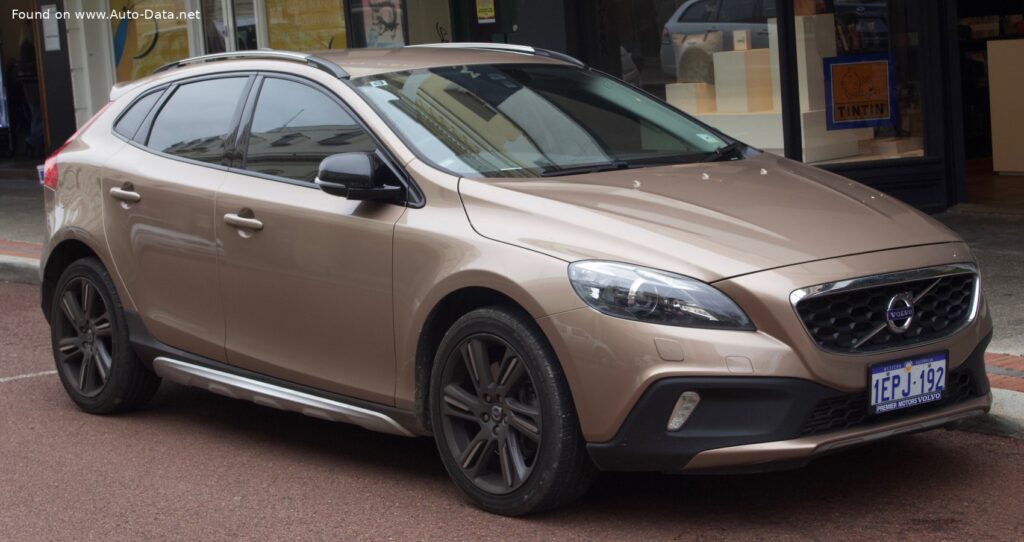
The Volvo V40 Cross Country 1.6 D2 (115 hp) was a front-wheel-drive, five-door crossover produced by Volvo between 2013 and 2015. It represented an entry-level offering within the broader V40 Cross Country range, designed to appeal to buyers seeking a compact, fuel-efficient, and slightly more rugged-looking vehicle than the standard V40 hatchback. The V40 Cross Country, built on Volvo’s C/S platform (internally designated 1HX0/A3), aimed to blend hatchback practicality with a raised ride height and some off-road styling cues. The 1.6 D2 variant specifically targeted buyers prioritizing economy and lower running costs.
Powertrain & Engine Architecture
The heart of the V40 Cross Country 1.6 D2 is Volvo’s D4162T four-cylinder diesel engine, displacing 1560cc (95.2 cubic inches). This engine is a common-rail direct injection diesel, utilizing a turbocharger with an intercooler to boost power output. The engine produces 115 horsepower at 3600 rpm and 270 Nm (199.14 lb-ft) of torque between 1750 and 2500 rpm. The engine features a single overhead camshaft (SOHC) valvetrain with two valves per cylinder. Compression ratio is relatively high at 16:1, typical for a diesel engine designed for efficiency.
The 1.6 D2 was exclusively offered with a 6-speed manual transmission in most markets. This transmission was chosen to maximize fuel economy and provide a more engaging driving experience, aligning with the target audience’s preferences. The gearbox utilizes a conventional cable-operated shift mechanism. The engine oil capacity is 3.8 liters (4.02 US quarts / 3.34 UK quarts), and Volvo specified a particular oil grade for optimal performance and longevity. The engine also incorporated a diesel particulate filter (DPF) and a Start/Stop system to further reduce emissions and fuel consumption.
Engine Codes and Variations
While the D4162T is the primary engine code, slight variations existed depending on the specific market and year of production. These variations primarily related to emissions control systems and software calibrations. The engine’s design prioritized refinement and reduced noise, vibration, and harshness (NVH) compared to earlier Volvo diesel engines.
Driving Characteristics
The V40 Cross Country 1.6 D2, with its 115 hp and 270 Nm of torque, offered adequate, but not exhilarating, performance. Acceleration from 0 to 100 km/h (0-62 mph) took approximately 11.9 seconds. Real-world driving was characterized by strong low-end torque, making it suitable for everyday commuting and overtaking maneuvers. However, the engine could feel strained at higher speeds or when fully loaded. The 6-speed manual transmission was well-matched to the engine’s characteristics, providing precise shifts and allowing the driver to keep the engine in its optimal torque band.
Compared to the more powerful D4 and petrol variants of the V40 Cross Country, the 1.6 D2 prioritized fuel efficiency over outright performance. The D4, with its larger displacement and higher output, offered significantly quicker acceleration and a more refined driving experience. The petrol engines, while providing a smoother power delivery, generally consumed more fuel. The 1.6 D2’s driving experience was geared towards practicality and economy, making it a sensible choice for drivers covering long distances or prioritizing low running costs.
Equipment & Trim Levels
The V40 Cross Country 1.6 D2 typically came with a reasonable level of standard equipment, though specific features varied depending on the market. Standard features generally included air conditioning, power windows, power mirrors, a basic audio system with USB connectivity, and alloy wheels. Safety features were a Volvo hallmark, and the 1.6 D2 included ABS brakes, electronic stability control, and multiple airbags as standard.
Optional extras included a more advanced infotainment system with navigation, leather upholstery, heated front seats, a sunroof, and parking sensors. Trim levels, such as ‘SE’ or ‘ES’ in some markets, offered progressively more features and cosmetic enhancements. Interior upholstery was typically cloth, though leather was available as an upgrade. The dashboard layout was clean and functional, with a focus on ergonomics and ease of use.
Chassis & Braking
The V40 Cross Country 1.6 D2 featured independent suspension all around. The front suspension utilized a McPherson strut setup with coil springs and an anti-roll bar, while the rear suspension employed an independent multi-link system, also with coil springs. This suspension configuration provided a comfortable ride and decent handling characteristics. The raised ride height, compared to the standard V40, provided slightly improved ground clearance for tackling rougher terrain, though it was not designed for serious off-roading.
Braking duties were handled by ventilated discs on the front wheels (300x25mm) and solid discs on the rear wheels (280x11mm). ABS (Anti-lock Braking System) was standard, providing enhanced braking performance and stability. The steering system was an electric power steering rack and pinion, offering light and precise steering feel.
Market Reception & Comparison
The V40 Cross Country 1.6 D2 was generally well-received by automotive critics as a practical and fuel-efficient crossover. Its strengths lay in its low running costs, comfortable ride, and standard safety features. However, some critics noted its relatively modest performance and somewhat bland styling. Fuel economy was a major selling point, with combined fuel consumption figures of around 3.8 l/100 km (61.9 US mpg / 74.3 UK mpg) and CO2 emissions of 99 g/km.
Compared to other crossovers in its class, such as the Audi Q3 and BMW X1, the V40 Cross Country 1.6 D2 offered a more affordable entry point. However, it lacked the premium feel and brand cachet of its German rivals. Within the V40 Cross Country lineup, the 1.6 D2 was positioned as the entry-level model, appealing to budget-conscious buyers. The D4 and petrol variants offered more performance and refinement, but at a higher price.
Technical Specifications
| Body type | Crossover, 5 Doors, 5 Seats |
| Fuel economy (combined) | 3.8 l/100 km (61.9 US mpg, 74.3 UK mpg) |
| CO2 emissions | 99 g/km |
| Acceleration 0-100 km/h | 11.9 sec |
| Maximum speed | 185 km/h (114.95 mph) |
| Power | 115 Hp @ 3600 rpm |
| Torque | 270 Nm @ 1750-2500 rpm (199.14 lb.-ft.) |
| Engine displacement | 1560 cm3 (95.2 cu. in.) |
| Number of cylinders | 4, Inline |
| Fuel injection system | Diesel Commonrail |
| Engine oil capacity | 3.8 l (4.02 US qt, 3.34 UK qt) |
| Kerb Weight | 1477 kg (3256.23 lbs.) |
| Max. weight | 1920 kg (4232.88 lbs.) |
| Trunk space (minimum) | 335 l (11.83 cu. ft.) |
| Trunk space (maximum) | 1032 l (36.44 cu. ft.) |
| Fuel tank capacity | 52 l (13.74 US gal, 11.44 UK gal) |
| Drive wheel | Front wheel drive |
| Number of gears | 6, manual transmission |
| Front brakes | Ventilated discs, 300×25 mm |
| Rear brakes | Disc, 280×11 mm |
| Tires size | 205/60 R16; 225/50 R17; 225/45 R18 |
| Length | 4370 mm (172.05 in.) |
| Width | 1783 mm (70.2 in.) |
| Height | 1470 mm (57.87 in.) |
Legacy
The Volvo V40 Cross Country 1.6 D2 has proven to be a relatively reliable vehicle in the used car market. The D4162T engine, while not without its potential issues (such as DPF clogging and EGR valve problems), is generally considered durable and long-lasting when properly maintained. The manual transmission is also known for its robustness. Today, these vehicles represent a cost-effective option for buyers seeking a fuel-efficient and practical crossover. However, potential buyers should be aware of the maintenance requirements associated with diesel engines, particularly the DPF and EGR systems. The V40 Cross Country, in general, helped solidify Volvo’s reputation for safety and practicality in the compact crossover segment, paving the way for the XC40.