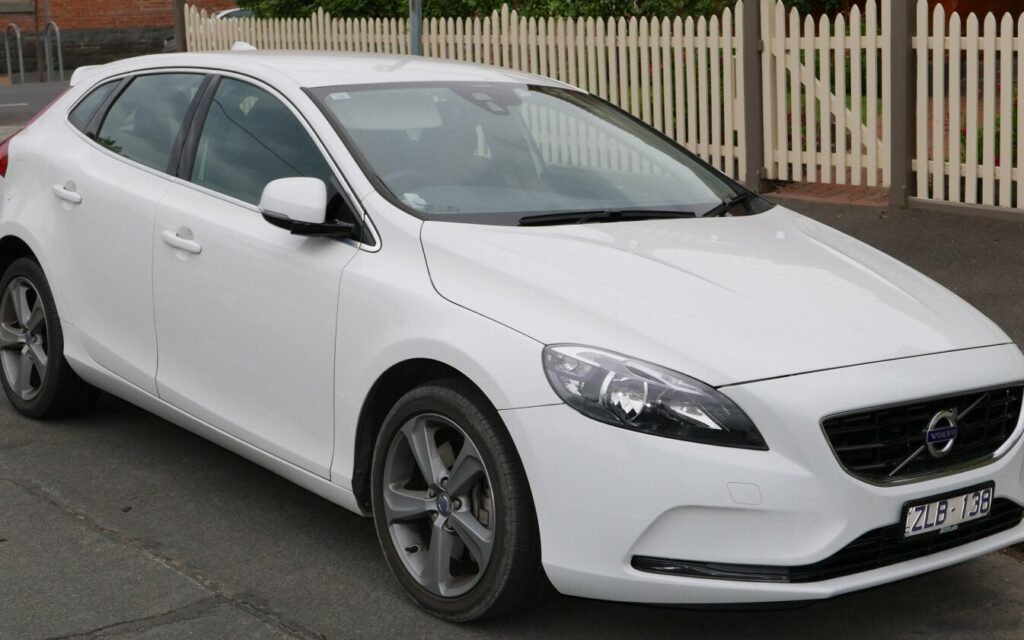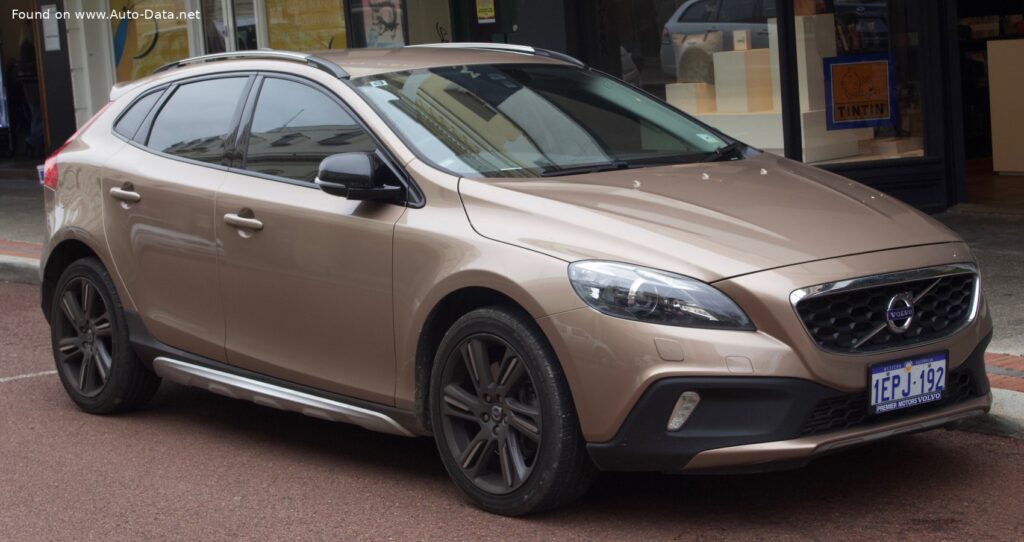
The Volvo V40 Cross Country 1.6 D2 Automatic, produced from 2013 to 2015, represented an entry-level offering within the broader V40 Cross Country lineup. Positioned as a compact crossover, it aimed to blend the practicality of a hatchback with the slightly raised ride height and rugged aesthetic of a small SUV. This variant was designed to appeal to buyers seeking fuel efficiency and reasonable running costs, while still benefiting from Volvo’s reputation for safety and Scandinavian design. It was built on the C/S platform, also known as the 1HX0/A3 platform, shared with other compact Volvo models.
Powertrain & Engine Architecture
The heart of the V40 Cross Country 1.6 D2 Automatic is Volvo’s D4162T 1.6-liter inline-four cylinder diesel engine. This engine is a turbocharged diesel, utilizing a common rail direct fuel injection system to optimize combustion and efficiency. The engine produces 115 horsepower at 3600 rpm and 270 Nm (199.14 lb-ft) of torque between 1750 and 2500 rpm. The engine features a single overhead camshaft (SOHC) valvetrain with two valves per cylinder. A turbocharger with an intercooler is employed to boost power and torque output. The engine’s displacement is 1560 cm³ (95.2 cu. in.), with a bore of 75 mm (2.95 in.) and a stroke of 88.3 mm (3.48 in.). The compression ratio is relatively high at 16:1, typical for a diesel engine. Engine oil capacity is 3.8 liters (4.02 US qt | 3.34 UK qt), and Volvo specified a particular oil grade for optimal performance and longevity.
The “D2” designation signifies this is the lowest power output version of the 1.6-liter diesel offered in the V40 range. The engine is transversely mounted in the front of the vehicle. Paired with this engine is a six-speed automatic transmission. This transmission, while providing convenience, was not known for particularly rapid shifts compared to the available manual gearbox options. It was selected for its ease of use and suitability for urban driving conditions.
Fuel Injection and Turbocharging
The diesel common rail injection system delivers fuel at extremely high pressure, ensuring fine atomization for efficient combustion. The turbocharger, a key component, forces more air into the engine, increasing power output. The intercooler cools the compressed air from the turbocharger, further enhancing density and performance. The inclusion of a diesel particulate filter (DPF) was standard, complying with Euro 5 emission standards.
Driving Characteristics
The V40 Cross Country 1.6 D2 Automatic delivers a driving experience focused on fuel economy and comfort rather than outright performance. Acceleration from 0 to 100 km/h (0-62 mph) takes approximately 12.1 seconds, and 0 to 60 mph is achieved in around 11.5 seconds. The maximum speed is 190 km/h (118.06 mph). The automatic transmission, while smooth, contributes to a slightly less engaging driving experience compared to the six-speed manual transmission available on other V40 models. The gear ratios are tuned for fuel efficiency, meaning the engine can feel somewhat strained during rapid acceleration or when overtaking. The torque, however, is readily available from relatively low engine speeds, making it suitable for everyday driving situations. The raised suspension of the Cross Country model provides a slightly more comfortable ride than the standard V40 hatchback, absorbing bumps and imperfections in the road surface more effectively.
Equipment & Trim Levels
The V40 Cross Country 1.6 D2 Automatic typically came with a reasonable level of standard equipment. This included air conditioning, power windows, power mirrors, a basic audio system with USB connectivity, and a suite of safety features including ABS, electronic stability control, and multiple airbags. Interior upholstery was typically cloth, with options for leather upgrades available. The dashboard layout was typical of Volvo’s design language at the time, characterized by a clean and minimalist aesthetic. Optional extras included a more advanced infotainment system with navigation, heated front seats, parking sensors, and a sunroof. Trim levels varied depending on the market, but generally, the D2 Automatic served as the entry point to the Cross Country range, with higher-powered variants offering more luxurious appointments.
Chassis & Braking
The V40 Cross Country 1.6 D2 Automatic utilizes an independent McPherson strut suspension setup at the front, combined with an independent coil spring suspension at the rear. This configuration provides a good balance between ride comfort and handling. The front suspension incorporates an anti-roll bar to reduce body roll during cornering. The braking system consists of ventilated discs at the front and solid discs at the rear. ABS (Anti-lock Braking System) is standard, enhancing braking performance and stability, particularly on slippery surfaces. The steering system is a rack and pinion type, providing precise and responsive steering feel. The kerb weight of the vehicle is 1538 kg (3390.71 lbs), and the maximum weight is 1950 kg (4299.01 lbs).
Market Reception & Comparison
The V40 Cross Country 1.6 D2 Automatic received generally positive reviews, particularly for its fuel efficiency and comfortable ride. Critics noted that the 115 horsepower engine could feel underpowered, especially when fully loaded or tackling steep hills. Compared to the more powerful D4 and D5 variants, the D2 offered a more economical but less dynamic driving experience. The D4, with its higher power output, provided noticeably quicker acceleration and more effortless cruising. The 1.6 D2 was often compared to other compact crossovers in its class, such as the Audi Q3 and BMW X1. While the Volvo offered a competitive level of safety and comfort, it often lagged behind its German rivals in terms of performance and brand prestige. Fuel economy was a strong point, with combined fuel consumption figures of around 4.1 l/100 km (57.4 US mpg, 68.9 UK mpg).
Technical Specifications
| Brand | Volvo |
| Model | V40 |
| Generation | V40 Cross Country |
| Type (Engine) | 1.6 D2 (115 Hp) Automatic |
| Start of production | 2013 |
| End of production | 2015 |
| Powertrain Architecture | Internal Combustion engine |
| Body type | Crossover |
| Seats | 5 |
| Doors | 5 |
| Fuel consumption (urban) | 4.5 l/100 km (52.3 US mpg, 62.8 UK mpg, 22.2 km/l) |
| Fuel consumption (extra urban) | 3.9 l/100 km (60.3 US mpg, 72.4 UK mpg, 25.6 km/l) |
| Fuel consumption (combined) | 4.1 l/100 km (57.4 US mpg, 68.9 UK mpg, 24.4 km/l) |
| CO2 emissions | 108 g/km |
| Fuel Type | Diesel |
| Acceleration 0 – 100 km/h | 12.1 sec |
| Acceleration 0 – 62 mph | 12.1 sec |
| Acceleration 0 – 60 mph | 11.5 sec |
| Maximum speed | 190 km/h (118.06 mph) |
| Emission standard | Euro 5 |
| Weight-to-power ratio | 13.4 kg/Hp |
| Weight-to-torque ratio | 5.7 kg/Nm |
| Power | 115 Hp @ 3600 rpm |
| Torque | 270 Nm @ 1750-2500 rpm (199.14 lb.-ft.) |
| Engine layout | Front, Transverse |
| Engine Model/Code | D4162T |
| Engine displacement | 1560 cm3 (95.2 cu. in.) |
| Number of cylinders | 4 |
| Engine configuration | Inline |
| Cylinder Bore | 75 mm (2.95 in.) |
| Piston Stroke | 88.3 mm (3.48 in.) |
| Compression ratio | 16:1 |
| Number of valves per cylinder | 2 |
| Fuel injection system | Diesel Commonrail |
| Engine aspiration | Turbocharger, Intercooler |
| Valvetrain | SOHC |
| Engine oil capacity | 3.8 l (4.02 US qt | 3.34 UK qt) |
| Coolant | 10 l (10.57 US qt | 8.8 UK qt) |
| Kerb Weight | 1538 kg (3390.71 lbs.) |
| Max. weight | 1950 kg (4299.01 lbs.) |
| Max load | 412 kg (908.3 lbs.) |
| Trunk (boot) space – minimum | 324 l (11.44 cu. ft.) |
| Fuel tank capacity | 52 l (13.74 US gal | 11.44 UK gal) |
| Length | 4370 mm (172.05 in.) |
| Width | 1857 mm (73.11 in.) |
| Height | 1470 mm (57.87 in.) |
| Wheelbase | 2646 mm (104.17 in.) |
| Number of gears and type of gearbox | 6 gears, automatic transmission |
Legacy
The Volvo V40 Cross Country 1.6 D2 Automatic, while not the most powerful or dynamically engaging version of the V40, has proven to be a relatively reliable and economical choice in the used car market. The 1.6-liter diesel engine, when properly maintained, is known for its durability. Common issues include DPF blockages, particularly on vehicles primarily used for short journeys, and potential problems with the turbocharger. However, these are not uncommon for diesel engines of this era. The automatic transmission, while not a performance standout, has generally proven to be dependable. Today, these vehicles represent a relatively affordable entry point into Volvo ownership, offering a blend of practicality, safety, and fuel efficiency. Their continued presence on the used car market is a testament to their overall build quality and enduring appeal.