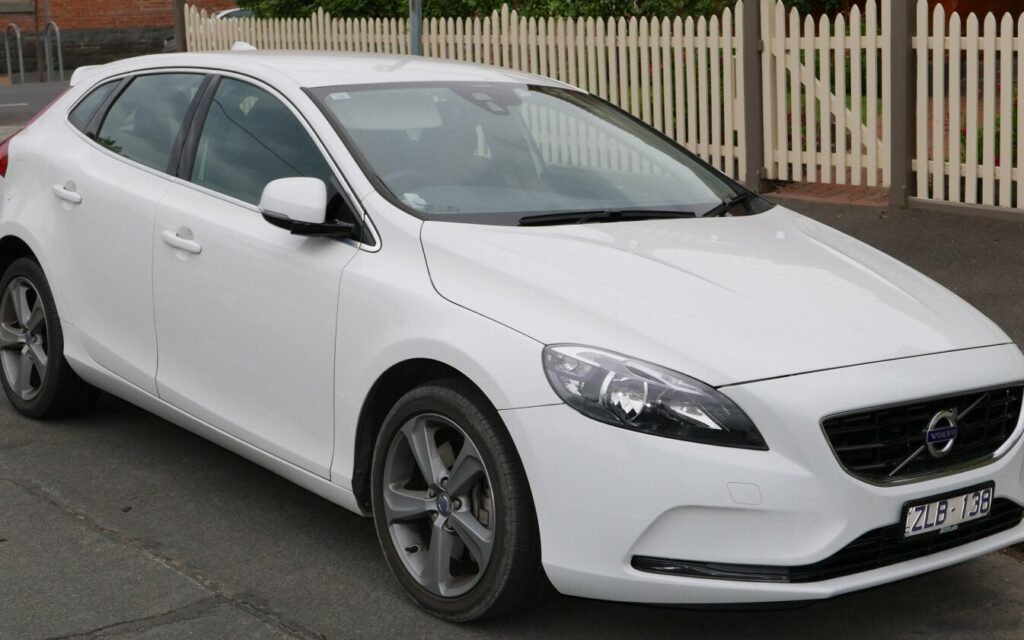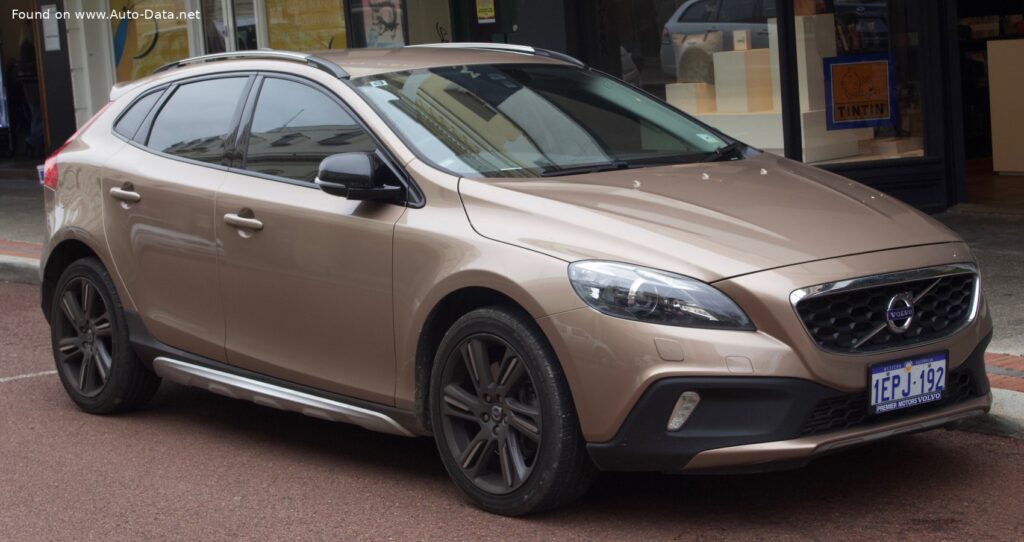
The Volvo V40 Cross Country 2.0 D2 (120 hp) was a compact crossover produced by Volvo between 2015 and 2016. Positioned as an entry-level offering within the V40 Cross Country range, it aimed to provide a more affordable and fuel-efficient option compared to the higher-powered D4 and D5 variants. The V40 Cross Country itself was based on the Volvo C30 platform (internally designated as the 194 platform), which was in turn derived from the Ford Focus C-segment platform. The “Cross Country” designation signified a raised ride height and rugged styling cues intended to appeal to buyers seeking a vehicle with some all-weather capability and a more adventurous aesthetic.
Powertrain & Engine Architecture
The heart of the V40 Cross Country D2 is Volvo’s 2.0-liter four-cylinder diesel engine, specifically the D4204T8 code. This engine is a common-rail direct injection diesel, meaning fuel is injected directly into the combustion chamber at extremely high pressure. This system, supplied by Bosch, optimizes combustion efficiency and reduces emissions. The engine utilizes a single turbocharger with an intercooler to boost power and torque. The turbocharger helps to overcome the inherent limitations of a smaller displacement diesel engine, providing a broader powerband. The engine features a double overhead camshaft (DOHC) valvetrain with four valves per cylinder, contributing to improved breathing and overall performance.
Unlike some of its siblings which offered automatic transmission options, the D2 was exclusively paired with a six-speed manual transmission. This was a deliberate choice by Volvo to keep costs down and emphasize fuel economy. The transmission is a conventional, fully synchronized unit, designed for smooth and precise gear changes. The front-wheel-drive configuration further simplifies the drivetrain and contributes to efficiency.
Engine Specifications
The D4204T8 engine produces 120 horsepower at 3750 rpm and 280 Nm (206.52 lb-ft) of torque between 1500 and 2250 rpm. The relatively high torque output available at low engine speeds is a characteristic of diesel engines and contributes to good drivability in everyday conditions. The engine’s compression ratio is 16:1, which is typical for a modern diesel engine and contributes to its efficiency. Engine oil capacity is 5.2 liters (5.49 US quarts / 4.58 UK quarts) and requires a specification adhering to Volvo’s standards. The cooling system holds 8 liters (8.45 US quarts / 7.04 UK quarts) of coolant.
Driving Characteristics
The V40 Cross Country D2, with its 120 hp and six-speed manual transmission, delivers a driving experience focused on fuel efficiency and practicality rather than outright performance. Acceleration from 0 to 100 km/h (0-62 mph) takes approximately 10.6 seconds, and 0-60 mph is achieved in around 10.1 seconds. The top speed is rated at 190 km/h (118 mph). While these figures aren’t particularly impressive, they are adequate for most everyday driving situations. The engine’s strong low-end torque makes it feel more responsive than the horsepower figure suggests, particularly in urban environments.
The manual transmission encourages driver engagement and allows for precise control over gear selection. The gear ratios are tuned to prioritize fuel economy, meaning the engine operates at relatively low rpm at highway speeds. Compared to the more powerful D4 and D5 models, the D2 feels noticeably less energetic, especially when fully loaded or tackling steep inclines. However, the lighter engine weight contributes to a more nimble and balanced feel in corners. The raised ride height of the Cross Country model provides a slightly elevated driving position and improved visibility.
Equipment & Trim Levels
The V40 Cross Country D2 typically came with a reasonable level of standard equipment, although it was less lavishly equipped than the higher-spec models. Standard features generally included air conditioning, power windows and mirrors, a basic audio system with USB connectivity, and alloy wheels. Safety features were a Volvo hallmark, and the D2 included standard equipment such as ABS brakes, electronic stability control, and multiple airbags.
Optional extras included a more advanced infotainment system with navigation, leather upholstery, heated front seats, a sunroof, and parking sensors. Interior upholstery was typically cloth, although leather was available as an upgrade. The dashboard layout was clean and functional, with a focus on ergonomics. Trim levels were often differentiated by the availability of these optional extras and the choice of exterior colors.
Chassis & Braking
The V40 Cross Country D2 utilizes an independent suspension system on both the front and rear axles. The front suspension employs a McPherson strut design with coil springs and an anti-roll bar, while the rear suspension features an independent multi-link setup with coil springs. This suspension configuration provides a good balance between ride comfort and handling. The raised ride height of the Cross Country model (144-153 mm / 5.67-6.02 inches) provides increased ground clearance for navigating rougher terrain.
The braking system consists of ventilated discs on the front wheels and solid discs on the rear wheels. ABS (Anti-lock Braking System) is standard, providing enhanced braking performance and stability in emergency situations. The steering system is a rack and pinion type, offering precise and responsive steering feel. Stabilizer bars are fitted to both the front and rear axles to reduce body roll during cornering.
Market Reception & Comparison
The V40 Cross Country D2 was generally well-received by automotive critics as a practical and fuel-efficient option in the compact crossover segment. Its strengths were its low running costs, comfortable ride, and strong safety credentials. However, it was often criticized for its relatively modest performance and somewhat basic interior compared to some of its rivals.
Compared to the V40 Cross Country D4 and D5 models, the D2 offered significantly better fuel economy (3.7 l/100 km combined) but considerably less power. The D4 and D5 were aimed at buyers who prioritized performance and were willing to sacrifice some fuel efficiency. The D2’s main competitors included other small diesel crossovers such as the Audi Q3 and BMW X1, although these were typically more expensive.
Technical Specifications
| Body Type | Crossover, 5 Doors, 5 Seats |
| Fuel Economy (Combined) | 3.7 l/100 km (63.6 US mpg, 76.3 UK mpg, 27 km/l) |
| CO2 Emissions | 96 g/km |
| Maximum Speed | 190 km/h (118.06 mph) |
| Acceleration 0-100 km/h | 10.6 sec |
| Acceleration 0-60 mph | 10.1 sec |
| Power | 120 Hp @ 3750 rpm |
| Torque | 280 Nm @ 1500-2250 rpm (206.52 lb.-ft.) |
| Engine Layout | Front, Longitudinal |
| Engine Model/Code | D4204T8 |
| Engine Displacement | 1969 cm3 (120.16 cu. in.) |
| Number of Cylinders | 4 |
| Engine Configuration | Inline |
| Cylinder Bore | 82 mm (3.23 in.) |
| Piston Stroke | 93.2 mm (3.67 in.) |
| Compression Ratio | 16:1 |
| Number of Valves per Cylinder | 4 |
| Fuel Injection System | Diesel Commonrail |
| Engine Aspiration | Turbocharger, Intercooler |
| Valvetrain | DOHC |
| Engine Oil Capacity | 5.2 l (5.49 US qt | 4.58 UK qt) |
| Coolant Capacity | 8 l (8.45 US qt | 7.04 UK qt) |
| Trunk (Boot) Space (minimum) | 324 l (11.44 cu. ft.) |
| Fuel Tank Capacity | 62 l (16.38 US gal | 13.64 UK gal) |
| Length | 4370 mm (172.05 in.) |
| Width | 1857 mm (73.11 in.) |
| Height | 1470 mm (57.87 in.) |
| Wheelbase | 2646 mm (104.17 in.) |
| Number of Gears | 6, manual transmission |
Legacy
The Volvo V40 Cross Country D2, while not the most powerful or luxurious version of the V40, has proven to be a reliable and economical choice in the used car market. The D4204T8 engine is generally considered to be robust and long-lasting, provided it has been properly maintained. Common issues are typically related to diesel particulate filter (DPF) clogging if the vehicle has been primarily used for short journeys. The manual transmission is also known for its durability. Today, these vehicles represent a relatively affordable entry point into Volvo ownership, offering a blend of practicality, safety, and fuel efficiency. Their continued presence on the road is a testament to Volvo’s reputation for building durable and well-engineered vehicles.