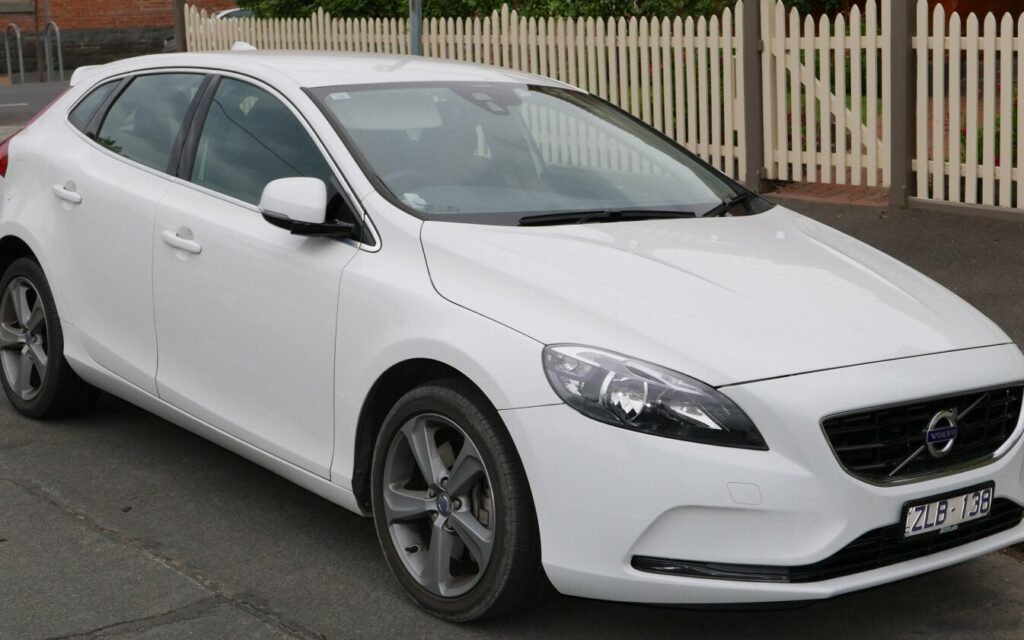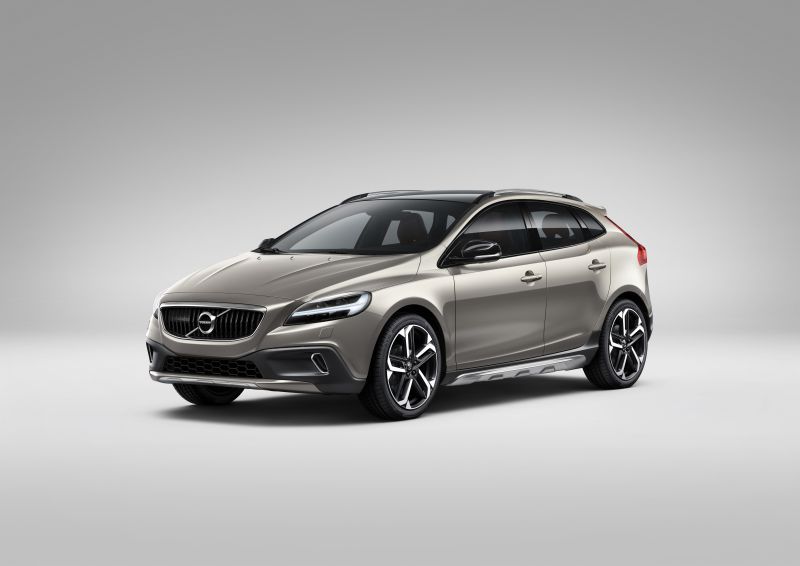
The Volvo V40 Cross Country (facelift, 2016) 2.0 D2 producing 120 horsepower represents a key variant within the second-generation V40 series, produced from 2016 to 2018. Positioned as an entry-level offering within the Cross Country sub-model range, it aimed to provide a blend of practicality, fuel efficiency, and all-weather capability in a compact, premium package. The V40 series, built on Volvo’s C/S platform (internally designated 1HX0/A3), sought to appeal to a younger demographic than traditional Volvo buyers, and the D2 model was instrumental in achieving that goal through its accessible price point and running costs.
Powertrain & Engine Architecture
The heart of the V40 Cross Country D2 is Volvo’s D4204T8 2.0-liter inline-four cylinder diesel engine. This engine is a member of Volvo’s VEA (Volvo Engine Architecture) family, designed for modularity and efficiency. The 1969 cc displacement is achieved with a bore of 82 mm and a stroke of 93.2 mm, operating with a compression ratio of 16:1. The engine utilizes a common-rail direct fuel injection system, delivering fuel at pressures up to 1800 bar for optimized combustion. A turbocharger with an intercooler is employed to boost power and torque, mitigating turbo lag and improving responsiveness. The engine produces 120 hp at 3750 rpm and 280 Nm (206.52 lb-ft) of torque between 1500-2250 rpm.
While a six-speed manual transmission was standard on many D2 models, an optional six-speed Aisin Warner TF-80SC automatic transmission was also available. This automatic gearbox is known for its smooth shifting characteristics and reliability. It features adaptive shift logic, adjusting shift points based on driving style and conditions. The automatic transmission contributed to the D2’s appeal for drivers prioritizing comfort and ease of use, particularly in urban environments.
Engine Management and Emissions
The D4204T8 engine is managed by a sophisticated engine control unit (ECU) that monitors numerous sensors to optimize fuel delivery, ignition timing, and turbocharger operation. To meet stringent Euro 6 emission standards, the engine incorporates a diesel particulate filter (DPF) to trap soot particles. The DPF requires periodic regeneration, a process where accumulated soot is burned off at high temperatures. The system is designed to largely self-regenerate during normal driving, but prolonged short trips can necessitate forced regeneration by the vehicle’s computer.
Driving Characteristics
The 120 hp D2 engine, coupled with the front-wheel-drive configuration, delivers adequate performance for everyday driving. Acceleration from 0-100 km/h (0-62 mph) takes approximately 10.6 seconds, while 0-60 mph is achieved in around 10.1 seconds. Top speed is rated at 190 km/h (118 mph). Compared to higher-output V40 Cross Country variants, such as the D4 (190 hp) or the T5 (240 hp) gasoline models, the D2 feels noticeably less powerful, particularly during overtaking maneuvers or when carrying a full load. However, the D2’s strength lies in its fuel efficiency and low-end torque. The engine provides a usable amount of power from low RPMs, making it well-suited for city driving and cruising on highways. The automatic transmission contributes to a relaxed driving experience, with smooth gear changes and predictable behavior.
The Cross Country’s raised suspension and all-wheel-drive capability (available on some trims, but not standard with the D2) provide improved ground clearance and traction compared to the standard V40 hatchback. This makes the D2 a capable vehicle for tackling rough roads and inclement weather conditions.
Equipment & Trim Levels
The V40 Cross Country D2 typically came equipped with a respectable level of standard features. These included climate control, power windows and mirrors, a multi-function steering wheel, and a basic audio system with USB connectivity. Safety features were a Volvo hallmark, and the D2 included standard equipment such as ABS brakes, electronic stability control, and multiple airbags. Upholstery was typically cloth, although leather options were available as upgrades. Higher trim levels offered additional features such as a larger touchscreen infotainment system, navigation, parking sensors, and heated seats. Optional extras included a panoramic sunroof, premium audio systems, and various driver assistance technologies.
Chassis & Braking
The V40 Cross Country utilizes an independent suspension system on both the front and rear axles. The front suspension employs a McPherson strut design with coil springs and an anti-roll bar, while the rear suspension features an independent multi-link setup with coil springs. This suspension configuration provides a comfortable ride and good handling characteristics. The front brakes are ventilated discs, providing ample stopping power, while the rear brakes are typically solid discs. The steering system is an electric power steering (EPS) rack and pinion, offering precise and responsive steering feel. The EPS system adjusts the level of assistance based on vehicle speed, providing lighter steering at low speeds for ease of maneuvering and heavier steering at high speeds for improved stability.
Market Reception & Comparison
The V40 Cross Country D2 was generally well-received by automotive critics for its fuel efficiency, comfortable ride, and stylish design. However, some reviewers noted that the 120 hp engine could feel underpowered, particularly when fully loaded or driving on steep inclines. Compared to other trims in the V40 lineup, the D2 offered the most affordable entry point into the Cross Country range. Its fuel economy figures of 3.6 l/100 km (65.3 US mpg) combined, and CO2 emissions of 94 g/km, were particularly attractive to buyers prioritizing running costs. In terms of reliability, the D4204T8 engine has proven to be generally robust, although owners should be mindful of the DPF and ensure regular maintenance to prevent issues. Compared to competitors such as the Audi A3 Allroad and the BMW 2 Series Active Tourer, the V40 Cross Country D2 offered a compelling combination of value, practicality, and Scandinavian design.
Technical Specifications
| Brand | Volvo |
| Model | V40 Cross Country (facelift 2016) |
| Type | Crossover |
| Engine | 2.0 D2 (120 Hp) |
| Production Years | 2016-2018 |
| Fuel Consumption (Urban) | 4.1 l/100 km (57.4 US mpg) |
| Fuel Consumption (Extra Urban) | 3.3 l/100 km (71.3 US mpg) |
| Fuel Consumption (Combined) | 3.6 l/100 km (65.3 US mpg) |
| CO2 Emissions | 94 g/km |
| Fuel Type | Diesel |
| Acceleration 0-100 km/h | 10.6 sec |
| Acceleration 0-62 mph | 10.6 sec |
| Acceleration 0-60 mph | 10.1 sec |
| Maximum Speed | 190 km/h (118.06 mph) |
| Engine Displacement | 1969 cm3 (120.16 cu. in.) |
| Number of Cylinders | 4 |
| Engine Configuration | Inline |
| Power | 120 Hp @ 3750 rpm |
| Torque | 280 Nm @ 1500-2250 rpm (206.52 lb.-ft.) |
| Kerb Weight | 1500 kg (3306.93 lbs.) |
| Max. Weight | 1980 kg (4365.15 lbs.) |
| Trunk Space (Minimum) | 324 l (11.44 cu. ft.) |
| Trunk Space (Maximum) | 1500 l (52.97 cu. ft.) |
| Fuel Tank Capacity | 62 l (16.38 US gal) |
| Transmission | 6-speed Manual/Automatic |
Legacy
The Volvo V40 Cross Country D2 has established itself as a reliable and economical used car option. The D4204T8 engine, when properly maintained, is known for its longevity. Common issues, such as DPF blockages, can be avoided with regular servicing and appropriate driving habits. The V40 Cross Country’s blend of practicality, style, and safety continues to appeal to buyers seeking a compact crossover with a premium feel. While it may not offer the outright performance of higher-powered variants, the D2’s fuel efficiency and affordability make it a sensible choice for those prioritizing value and running costs. The V40 series, and the D2 variant specifically, helped to modernize Volvo’s image and attract a new generation of customers to the brand.