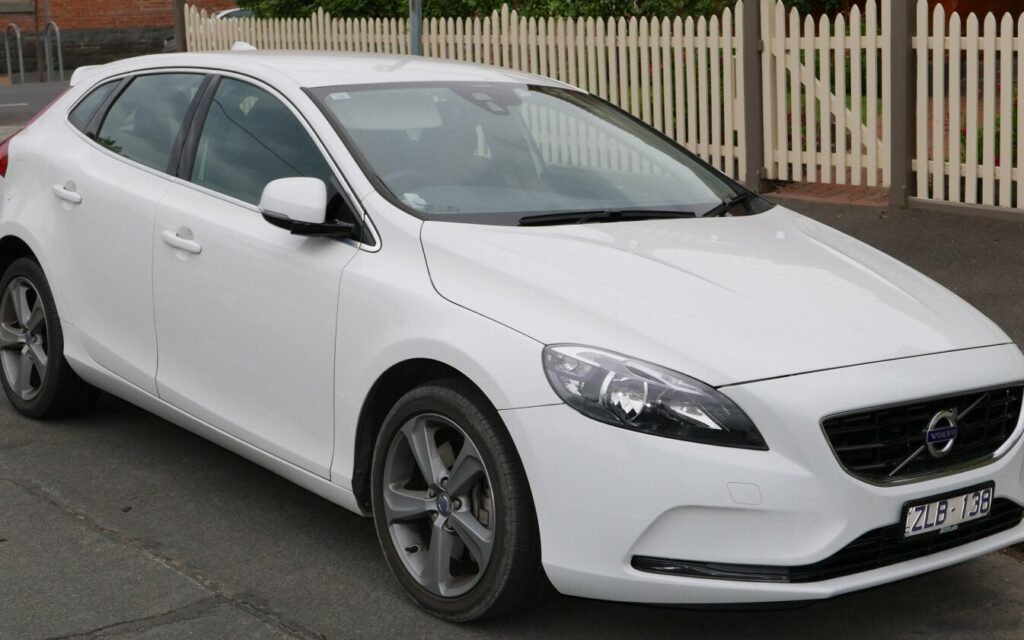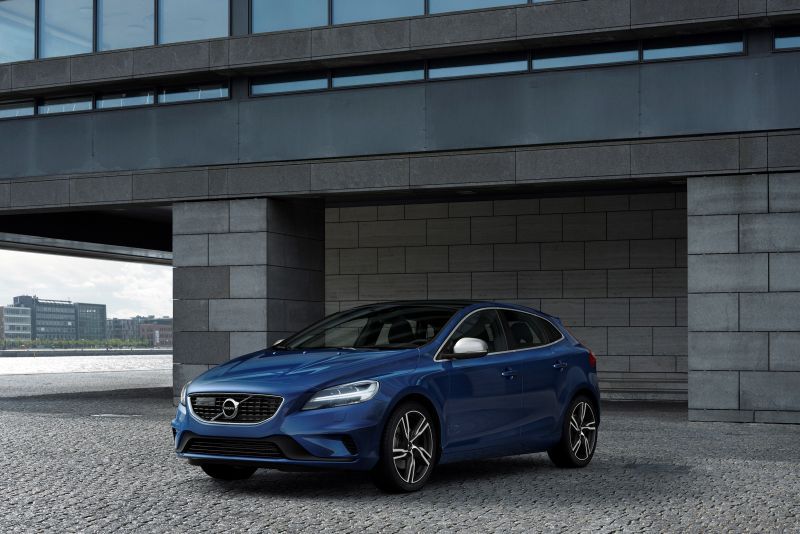
The Volvo V40 T2 1.5 Automatic, produced from 2018 to 2020, represents an entry-level offering within the facelifted second generation of the V40 hatchback (model year 2016 onwards). Positioned as the most fuel-efficient and accessible variant in the V40 range, it catered to buyers prioritizing economy and practicality over outright performance. This model utilized a 1.5-liter turbocharged three-cylinder gasoline engine paired with a six-speed automatic transmission, and was built on Volvo’s C/S platform, also known as the 1HX0/A3 platform, shared with other compact Volvo models.
Powertrain & Engine Architecture
The heart of the V40 T2 Automatic is the Volvo B4154T3 engine, a 1.5-liter inline-three cylinder gasoline engine. This engine is part of Volvo’s VEA (Volvo Engine Architecture) family, designed for modularity and efficiency. It features direct fuel injection, a single-scroll turbocharger with an intercooler, and a double overhead camshaft (DOHC) valvetrain with four valves per cylinder. The engine produces 122 horsepower at 5000 rpm and 220 Nm (162.26 lb-ft) of torque between 1800 and 3480 rpm. The compression ratio is 10.5:1. Engine oil capacity is 5.6 liters (5.92 US quarts / 4.93 UK quarts), and it requires a specific oil specification (consult Volvo documentation for current recommendations).
The engine is transversely mounted at the front of the vehicle. The automatic transmission is a six-speed unit, offering smooth shifts and contributing to the car’s fuel efficiency. While not known for particularly rapid acceleration, the transmission is programmed for comfortable everyday driving. The transmission control unit (TCU) adapts to driving style, but lacks the sporty responsiveness found in higher-performance V40 models.
Fuel Injection and Turbocharging
The direct injection system precisely meters fuel into the combustion chamber, optimizing combustion efficiency and reducing emissions. The turbocharger provides a boost in power and torque, compensating for the relatively small displacement of the engine. The intercooler cools the compressed air from the turbocharger, further increasing power output and preventing engine knock. This combination allows the 1.5-liter engine to deliver respectable performance for its size.
Driving Characteristics
The V40 T2 Automatic delivers a comfortable and refined driving experience, prioritizing fuel economy and ease of use. Acceleration from 0 to 100 km/h (0-62 mph) takes approximately 9.8 seconds, while 0-60 mph is achieved in around 9.3 seconds. Top speed is limited to 190 km/h (118 mph). The automatic transmission provides smooth gear changes, but can feel somewhat hesitant during quick overtaking maneuvers. The engine’s torque is readily available from low revs, making it suitable for urban driving. Compared to the more powerful V40 T3, T4, or T5 models, the T2 feels noticeably slower, but offers significantly better fuel economy.
The gear ratios are optimized for fuel efficiency, with taller gearing in higher gears. This contributes to low engine speeds at highway cruising speeds, reducing noise and fuel consumption. The steering is light and precise, making the V40 easy to maneuver in tight spaces. Overall, the driving experience is geared towards practicality and comfort rather than sporty performance.
Equipment & Trim Levels
The V40 T2 Automatic typically came equipped with a reasonable level of standard equipment. This included air conditioning, power windows, power mirrors, a basic audio system with USB connectivity, and alloy wheels. Safety features were a strong point for the V40, with standard equipment including ABS brakes, electronic stability control, and multiple airbags. Higher trim levels, such as Momentum and Inscription, added features like leather upholstery, a more advanced infotainment system with navigation, parking sensors, and automatic climate control. Optional extras included a sunroof, heated seats, and a premium sound system.
Interior upholstery was typically cloth on the base models, with leather options available on higher trims. The dashboard layout was clean and modern, with a focus on ergonomics. The V40’s interior space was considered adequate for a compact hatchback, offering comfortable seating for five passengers. Trunk space was 324 liters (11.44 cu ft) with the rear seats up, and could be expanded by folding them down.
Chassis & Braking
The V40 T2 Automatic features an independent suspension system, with McPherson struts at the front and a multi-link setup at the rear. A transverse stabilizer bar is fitted to both axles to reduce body roll during cornering. The suspension is tuned for comfort, providing a smooth ride over most road surfaces. The car’s kerb weight of 1531 kg (3375.28 lbs) influences its handling characteristics, making it feel slightly heavier than lighter V40 variants.
Braking is provided by disc brakes on all four wheels, with ABS (Anti-lock Braking System) as standard. The braking system is effective and provides good stopping power. The electric power steering system offers light and precise steering feel. The V40’s chassis and braking system are well-balanced, providing a safe and predictable driving experience.
Market Reception & Comparison
The V40 T2 Automatic was generally well-received by critics as a practical and fuel-efficient hatchback. It was praised for its comfortable ride, good safety features, and stylish design. However, some critics noted that the engine lacked power, particularly when fully loaded or driving uphill. Compared to other trims in the V40 lineup, the T2 offered the best fuel economy, with combined fuel consumption figures ranging from 5.6 to 5.7 l/100 km (42-41.3 US mpg). Its CO2 emissions were also the lowest, at 129-133 g/km.
In terms of reliability, the V40 T2 Automatic has generally proven to be a reliable car, although some owners have reported issues with the automatic transmission and the direct injection system. Regular maintenance and servicing are essential to ensure long-term reliability. Compared to competitors like the Audi A3, BMW 1 Series, and Mercedes-Benz A-Class, the V40 T2 offered a competitive package in terms of price, features, and fuel economy.
Technical Specifications
| Engine Model/Code | B4154T3 |
| Engine Displacement | 1498 cm3 (91.41 cu. in.) |
| Number of Cylinders | 4, Inline |
| Cylinder Bore | 82 mm (3.23 in.) |
| Piston Stroke | 70.9 mm (2.79 in.) |
| Compression Ratio | 10.5:1 |
| Fuel Injection System | Direct Injection |
| Engine Aspiration | Turbocharger, Intercooler |
| Maximum Power | 122 Hp @ 5000 rpm |
| Maximum Torque | 220 Nm (162.26 lb.-ft.) @ 1800-3480 rpm |
| Fuel Consumption (Urban) | 7.0-7.2 l/100 km (33.6 – 32.7 US mpg) |
| Fuel Consumption (Extra Urban) | 4.7-4.9 l/100 km (50 – 48 US mpg) |
| Fuel Consumption (Combined) | 5.6-5.7 l/100 km (42 – 41.3 US mpg) |
| CO2 Emissions | 129-133 g/km |
| Acceleration 0-100 km/h | 9.8 sec |
| Maximum Speed | 190 km/h (118.06 mph) |
| Kerb Weight | 1531 kg (3375.28 lbs.) |
| Fuel Tank Capacity | 62 l (16.38 US gal) |
| Transmission | 6-speed Automatic |
Legacy
The Volvo V40 T2 Automatic, while not the most powerful or exciting variant in the range, remains a popular choice in the used car market due to its fuel efficiency, practicality, and safety features. The 1.5-liter engine has proven to be relatively reliable, although regular maintenance is crucial. The automatic transmission can be prone to issues if not properly serviced. Overall, the V40 T2 Automatic represents a sensible and economical option for buyers seeking a compact hatchback with a premium feel. Its continued presence on the used car market reflects its enduring appeal as a practical and well-rounded vehicle.