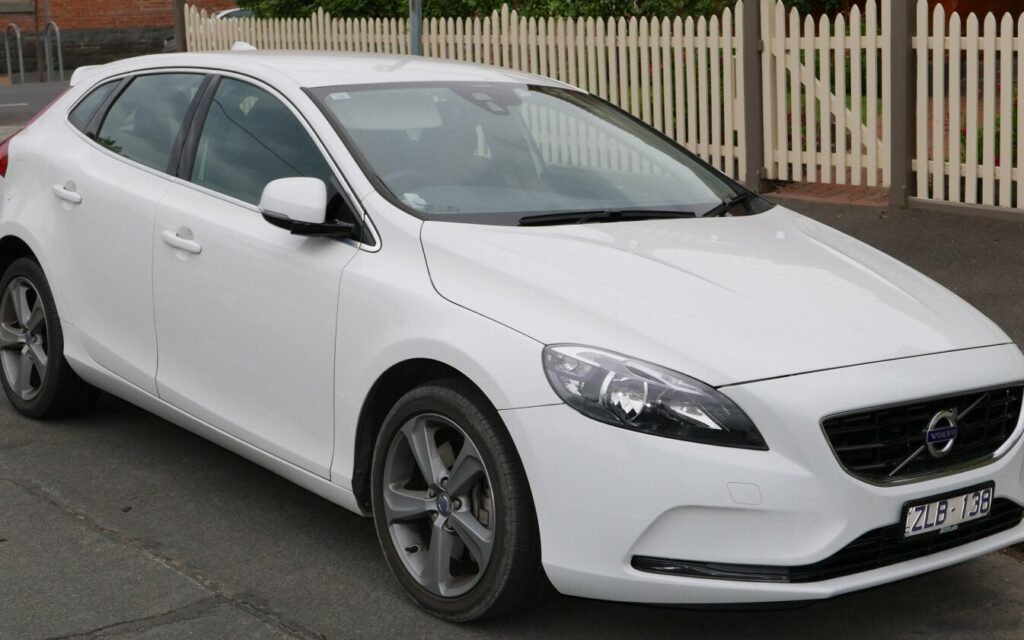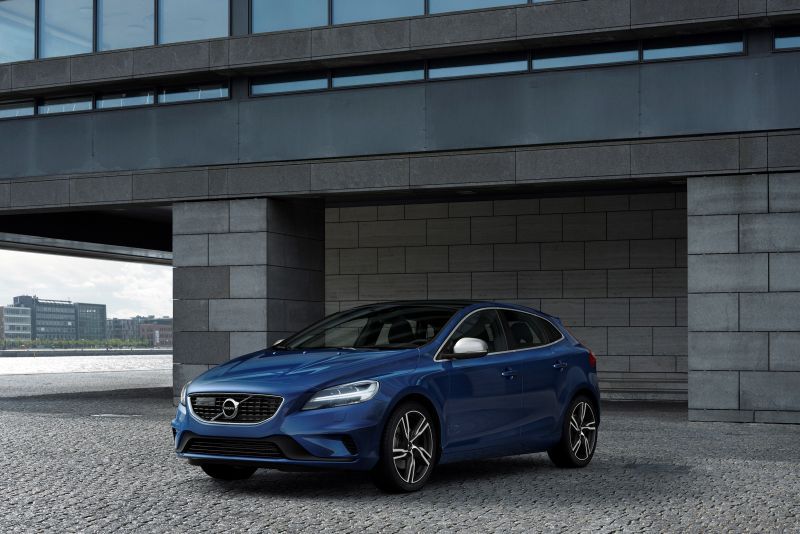
The Volvo V40, specifically the 2016 facelift of its second generation, represented Volvo’s entry into the competitive European premium compact hatchback segment. Produced from 2016 to 2018, the 2.0 T5 (245 Hp) Geartronic variant offered a blend of Scandinavian design, robust performance, and Volvo’s renowned safety features. While never officially sold in the United States, the V40 played a key role in Volvo’s global strategy, targeting a younger, more dynamic clientele seeking a sophisticated and practical urban vehicle. The facelifted V40 aimed to refresh the model and compete with established rivals like the Audi A3, BMW 1 Series, and Mercedes-Benz A-Class.
The 2.0 T5 Geartronic: Positioning and Role
The 2.0 T5 Geartronic occupied the mid-to-premium position within the V40 lineup. It sat above the entry-level D2 and D3 diesel variants, and the lower-powered T3 gasoline model, offering a significant performance upgrade. While the D-series models prioritized fuel economy and lower running costs, and the T3 focused on affordability, the T5 catered to drivers who desired a more engaging driving experience and greater power output. It was positioned below any potential high-performance Polestar-engineered versions, if offered, making it the sweet spot for those seeking a balance of performance, luxury, and practicality.
Powertrain & Engine Architecture
The heart of the V40 (facelift 2016) 2.0 T5 Geartronic was Volvo’s Drive-E powertrain. This featured a 2.0-liter (120.16 cubic inches) turbocharged inline-four gasoline engine, designated the B4204T11. This engine utilized direct fuel injection, a key technology for maximizing power and efficiency. The direct injection system precisely meters fuel directly into the combustion chamber, improving combustion efficiency and reducing emissions. The engine also incorporated an intercooler, which cools the intake air, increasing its density and further enhancing performance.
The B4204T11 engine employed a single-scroll turbocharger, designed to minimize turbo lag and provide responsive acceleration. The valvetrain featured double overhead camshafts (DOHC) with four valves per cylinder, optimizing airflow and contributing to the engine’s high power output. The 8-speed Geartronic automatic transmission, developed in-house by Volvo, was a crucial component of the powertrain. This transmission featured smooth, quick shifts and offered both automatic and manual shift modes. It was designed to optimize fuel efficiency and provide a comfortable driving experience. The transmission’s gear ratios were carefully selected to balance acceleration and fuel economy, with a relatively tall final drive ratio for highway cruising.
Driving Characteristics
The 2.0 T5 Geartronic offered a noticeably more spirited driving experience compared to the lower-powered V40 variants. The 245 horsepower and 258.15 lb-ft of torque provided brisk acceleration, with a 0-60 mph time of around 6 seconds. The wide torque band, available from 1500 to 4800 rpm, ensured strong responsiveness in various driving situations. While not a dedicated sports car, the T5 offered ample power for overtaking maneuvers and confident highway cruising. Compared to a manual transmission equipped V40, the Geartronic automatic provided a smoother, more effortless driving experience, particularly in urban traffic. However, some driving enthusiasts might have preferred the greater control offered by a manual gearbox. The automatic transmission’s shift programming was tuned for comfort and efficiency, but it also offered a sport mode for more aggressive shifting.
Equipment & Trim Levels
The 2.0 T5 Geartronic typically came well-equipped as standard. Interior upholstery generally consisted of leather or a high-quality leatherette material, with options for different color schemes. The dashboard featured a clean, Scandinavian design with intuitive controls. Standard features included climate control, a premium audio system, and Volvo’s Sensus infotainment system with a central touchscreen display. Safety features were comprehensive, including ABS, Electronic Stability Control (ESC), and a suite of airbags. Optional extras included a sunroof, navigation system, parking assist, and advanced driver-assistance systems like City Safety (automatic braking) and lane-keeping assist. Higher trim levels often added features like heated seats, upgraded audio systems, and more luxurious interior trim materials.
Chassis & Braking
The V40 T5 utilized an independent McPherson strut front suspension with coil springs and an anti-roll bar, providing a comfortable ride and competent handling. The rear suspension was an independent coil spring setup. The suspension was tuned to balance ride comfort and handling, offering a good compromise for everyday driving. The braking system consisted of ventilated discs at the front and solid discs at the rear, providing ample stopping power. ABS (Anti-lock Braking System) was standard, enhancing braking performance and stability. The V40 T5 typically featured a stabilizer bar on both the front and rear axles to reduce body roll during cornering.
Market Reception & Comparison
Critics generally praised the V40 2.0 T5 Geartronic for its stylish design, comfortable interior, and strong performance. It was often lauded for its safety features and overall refinement. However, some reviewers noted that the V40’s interior space was somewhat limited compared to some of its rivals, particularly in the rear seats. In terms of fuel economy, the T5 offered respectable figures for its class, achieving around 39.9 US mpg combined. Compared to the diesel-powered V40 variants, the T5 offered more power and a more engaging driving experience, but at the expense of slightly lower fuel economy. Against its German rivals, the V40 T5 offered a unique Scandinavian aesthetic and a strong emphasis on safety, setting it apart from the more overtly sporty or luxurious offerings from Audi, BMW, and Mercedes-Benz.
Technical Specifications
| Category | Specification |
| Brand | Volvo |
| Model | V40 |
| Generation | V40 (facelift 2016) |
| Type (Engine) | 2.0 T5 (245 Hp) Geartronic |
| Start of Production | 2016 |
| End of Production | 2018 |
| Powertrain Architecture | Internal Combustion Engine |
| Body Type | Hatchback |
| Seats | 5 |
| Doors | 5 |
| Fuel Consumption (Urban) | 29.8 US mpg (7.9 l/100 km) |
| Fuel Consumption (Extra Urban) | 49 US mpg (4.8 l/100 km) |
| Fuel Consumption (Combined) | 39.9 US mpg (5.9 l/100 km) |
| CO2 Emissions | 137 g/km |
| Fuel Type | Gasoline (Petrol) |
| Acceleration 0-60 mph | 6 seconds |
| Maximum Speed | 149.13 mph (240 km/h) |
| Emission Standard | Euro 6 |
| Power | 245 Hp @ 5500 rpm |
| Power per liter | 124.4 Hp/l |
| Torque | 258.15 lb.-ft. @ 1500-4800 rpm (350 Nm) |
| Engine Layout | Front, Transverse |
| Engine Model/Code | B4204T11 |
| Engine Displacement | 2.0 Liters (120.16 cu. in. / 1969 cm3) |
| Number of Cylinders | 4 |
| Engine Configuration | Inline |
| Cylinder Bore | 3.23 in. (82 mm) |
| Piston Stroke | 3.67 in. (93.2 mm) |
| Compression Ratio | 10.8:1 |
| Number of Valves per Cylinder | 4 |
| Fuel Injection System | Direct injection |
| Engine Aspiration | Turbocharger, Intercooler |
Legacy
The Volvo V40 (facelift 2016) 2.0 T5 Geartronic has proven to be a reliable and well-regarded vehicle in the used car market. The B4204T11 engine is generally considered robust and durable, with proper maintenance. Common issues are relatively minor, often related to routine wear and tear. The Geartronic automatic transmission is also known for its reliability. The V40’s strong safety credentials continue to be a major selling point for used car buyers. While it has been superseded by the XC40, the V40 remains a desirable option for those seeking a stylish, safe, and well-equipped premium compact hatchback. Its blend of Scandinavian design, strong performance, and Volvo’s commitment to quality ensures its continued appeal in the used car market.