
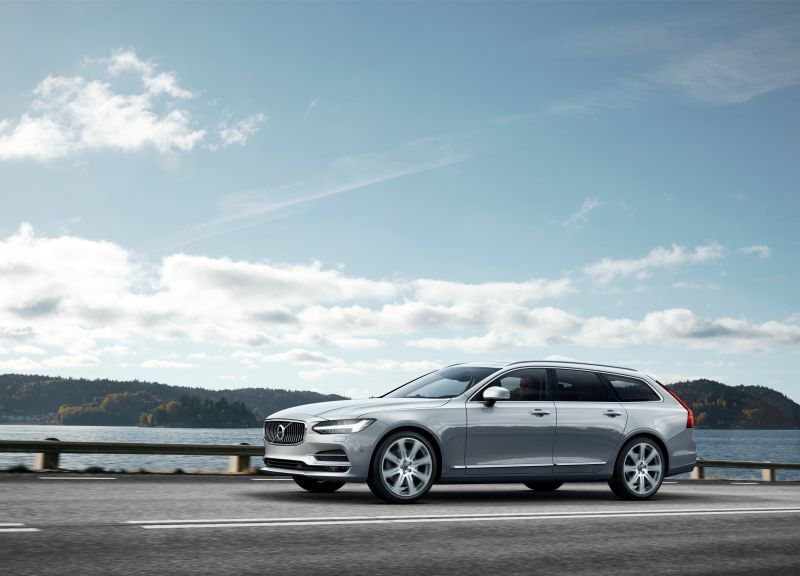
The Volvo V90, launched in 2016, represents Volvo’s entry into the premium mid-size wagon (estate) segment. Positioned above the V60 and V40, the V90 aimed to combine practicality, luxury, and Scandinavian design. This generation, built between 2016 and 2018, offered a compelling alternative to traditional SUVs, appealing to buyers seeking a sophisticated and versatile vehicle. The 2.0 D3 variant, equipped with a 150 horsepower diesel engine, was a popular choice in European markets, prioritizing fuel efficiency and reasonable performance.
Volvo V90 (2016-2018): A Detailed Overview
The V90 is part of Volvo’s 90 series, which also includes the S90 sedan and XC90 SUV, all built on the Scalable Product Architecture (SPA) platform. This platform allowed for a high degree of flexibility in design and engineering, enabling Volvo to offer a range of models with shared components. The V90 specifically targeted buyers who valued the spaciousness and practicality of a wagon without sacrificing the premium feel and advanced technology associated with the Volvo brand. While not officially sold in the United States during this generation, the V90’s design and features influenced Volvo’s broader product strategy and contributed to the brand’s growing reputation for safety and innovation.
Engine & Performance
The 2.0 D3 variant of the Volvo V90 is powered by a 2.0-liter inline four-cylinder diesel engine, designated the D4204T9. This engine produces 150 horsepower at 3750 rpm and 320 Nm (236.02 lb.-ft.) of torque between 1740 and 3000 rpm. The engine utilizes a turbocharger and intercooler to enhance performance and efficiency. Power is delivered to the front wheels via a six-speed manual transmission. Acceleration from 0 to 100 km/h (0-62 mph) takes 10.2 seconds, while 0 to 60 mph is achieved in approximately 9.7 seconds. The V90 D3 has a maximum speed of 205 km/h (127.38 mph). Fuel consumption is rated at 4.5 liters per 100 kilometers (52.3 US mpg, 62.8 UK mpg, 22.2 km/l), with CO2 emissions of 119 g/km, meeting Euro 6 emission standards. The engine’s relatively high compression ratio of 16:1 contributes to its efficiency, while the diesel commonrail fuel injection system ensures precise fuel delivery.
Design & Features
The Volvo V90 boasts a sleek and elegant station wagon (estate) body style, characterized by its long roofline, sculpted sides, and distinctive Volvo design cues. The vehicle seats five passengers and offers five doors for easy access. Key design features include the “Thor’s Hammer” LED headlights, a prominent grille with the Volvo iron mark, and a minimalist interior focused on Scandinavian aesthetics. The interior emphasizes comfort and functionality, with high-quality materials and a spacious cabin.
The V90 prioritizes safety, incorporating a comprehensive suite of driver-assistance systems, including ABS (Anti-lock Braking System), and advanced stability control. The wagon offers a generous amount of cargo space, with a minimum of 560 liters (19.78 cu. ft.) and a maximum of 1526 liters (53.89 cu. ft.) with the rear seats folded down. Other notable features include electric power steering, ventilated front disc brakes, and independent multi-link rear suspension with a stabilizer bar. The vehicle’s drag coefficient ranges from 0.30 to 0.33, contributing to its aerodynamic efficiency.
Technical Specifications
| Brand | Volvo |
| Model | V90 |
| Generation | V90 (2016) |
| Type (Engine) | 2.0 D3 (150 Hp) |
| Start of production | 2016 |
| End of production | 2018 |
| Powertrain Architecture | Internal Combustion engine |
| Body type | Station wagon (estate) |
| Seats | 5 |
| Doors | 5 |
| Fuel consumption (combined) | 4.5 l/100 km (52.3 US mpg, 62.8 UK mpg, 22.2 km/l) |
| CO2 emissions | 119 g/km |
| Fuel Type | Diesel |
| Acceleration 0 – 100 km/h | 10.2 sec |
| Acceleration 0 – 62 mph | 10.2 sec |
| Acceleration 0 – 60 mph | 9.7 sec |
| Maximum speed | 205 km/h (127.38 mph) |
| Power | 150 Hp @ 3750 rpm |
| Torque | 320 Nm @ 1740-3000 rpm (236.02 lb.-ft.) |
| Engine displacement | 1969 cm3 (120.16 cu. in.) |
| Number of cylinders | 4 |
| Engine configuration | Inline |
| Cylinder Bore | 82 mm (3.23 in.) |
| Piston Stroke | 93.2 mm (3.67 in.) |
| Compression ratio | 16:1 |
| Fuel injection system | Diesel Commonrail |
| Engine oil capacity | 5.2 l (5.49 US qt | 4.58 UK qt) |
| Trunk (boot) space – minimum | 560 l (19.78 cu. ft.) |
| Trunk (boot) space – maximum | 1526 l (53.89 cu. ft.) |
| Fuel tank capacity | 55 l (14.53 US gal | 12.1 UK gal) |
| Length | 4936 mm (194.33 in.) |
| Width | 1879 mm (73.98 in.) |
| Height | 1475 mm (58.07 in.) |
| Wheelbase | 2941 mm (115.79 in.) |
| Number of gears | 6 |
| Gearbox type | Manual transmission |
The Volvo V90 2.0 D3 (2016-2018) offered a compelling blend of practicality, luxury, and efficiency. While not widely available in the US market, it represented a significant offering in Europe, showcasing Volvo’s commitment to innovative design and advanced technology within the premium wagon segment. Its focus on fuel economy and comfortable driving experience made it a popular choice for families and individuals seeking a versatile and refined vehicle.
