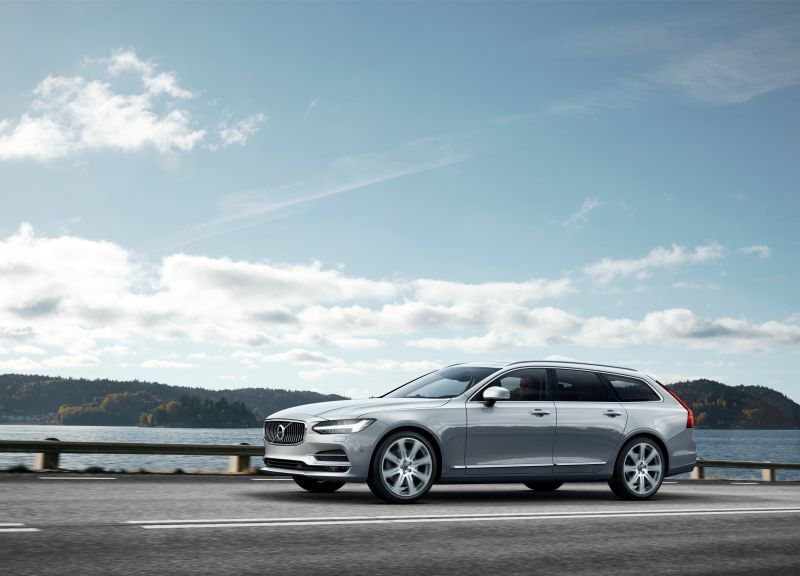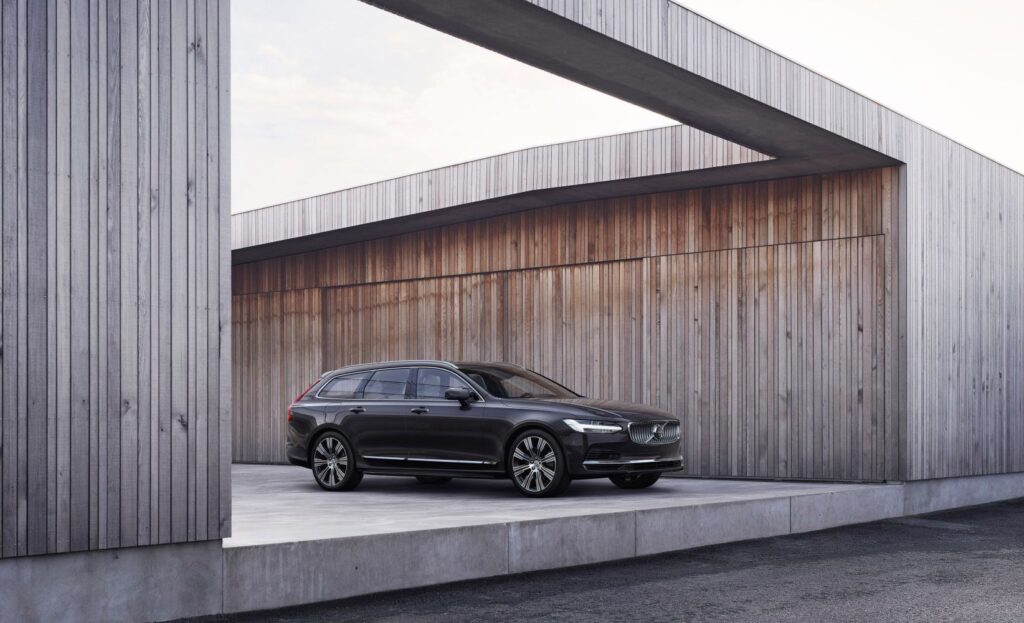
The Volvo V90, a cornerstone of the Swedish automaker’s modern lineup, received a significant refresh for the 2020 model year, further solidifying its position in the premium executive station wagon segment. Among the most compelling powertrains introduced with this update was the Volvo V90 (facelift 2020) Recharge 2.0 T8 (303 Hp) Plug-in Hybrid AWD Geartronic. This specific variant, produced from March 2020 to September 2021, represents Volvo’s unwavering commitment to combining luxurious Scandinavian design, advanced safety, and cutting-edge powertrain technology. Positioned as a sophisticated and eco-conscious choice, the Recharge T8 offered a compelling blend of robust performance, impressive fuel efficiency, and a practical body style that resonated strongly with buyers in its primary markets, particularly in Europe, where the estate car retains significant popularity. While not as dominant in the US market as SUVs, the V90 carved out a niche for discerning consumers seeking an alternative to traditional sedans and crossovers, appreciating its distinctive aesthetic and refined driving dynamics.
Powertrain and Performance of the Volvo V90 (facelift 2020) Recharge 2.0 T8 (303 Hp) Plug-in Hybrid AWD Geartronic
At the heart of the Volvo V90 Recharge 2.0 T8 (303 Hp) Plug-in Hybrid AWD Geartronic lies a sophisticated plug-in hybrid electric vehicle (PHEV) powertrain architecture, meticulously engineered to deliver both exhilarating performance and remarkable efficiency. This advanced system integrates a potent internal combustion engine (ICE) with a capable electric motor, offering a versatile driving experience. The ICE component is a 2.0-liter (1969 cm3 or 120.16 cu. in.) inline-four cylinder petrol engine, designated B4204T34. This engine is a marvel of modern engineering, featuring both turbocharging and supercharging, along with an intercooler and direct fuel injection. This dual-charging setup allows the engine to produce a robust 303 horsepower at 6000 rpm and a substantial 295.02 lb.-ft. (400 Nm) of torque across a broad range from 2200 to 4800 rpm, ensuring strong acceleration and responsive power delivery throughout the rev range. With a compression ratio of 10.3:1 and DOHC valvetrain, it exemplifies high-performance internal combustion design.
Complementing the powerful petrol engine is an electric motor, strategically located on the rear axle. This motor contributes an additional 87 horsepower at 7000 rpm and an impressive 177.01 lb.-ft. (240 Nm) of torque from a standstill (0-3000 rpm). The unique drivetrain architecture sees the internal combustion engine permanently driving the front wheels, while the electric motor powers the rear wheels, effectively creating an intelligent all-wheel-drive (AWD) system. This setup allows the vehicle to operate in several modes: pure electric, pure internal combustion, or a combined hybrid mode, optimizing power and efficiency as needed. Power is seamlessly managed through an 8-speed Geartronic automatic transmission, renowned for its smooth shifts and precise control.
The combined forces of the petrol engine and electric motor propel the V90 Recharge T8 with impressive alacrity. The vehicle can accelerate from 0 to 60 mph in a swift 5 seconds (5.3 seconds for 0-100 km/h), a performance figure typically associated with sports sedans rather than a family-friendly station wagon. Top speed is electronically limited to 111.85 mph (180 km/h), a common practice for plug-in hybrid models to conserve battery life and enhance efficiency. Despite its potent performance, the V90 Recharge T8 boasts exceptional fuel economy, rated by WLTP standards at a combined 138.4 – 87.1 US mpg (1.7-2.7 l/100 km). CO2 emissions are remarkably low, ranging from 39-61 g/km, adhering to the stringent Euro 6d emission standard, highlighting its environmental credentials.
The electric component of the powertrain is supported by an 11.6 kWh gross capacity Lithium-ion battery, cleverly integrated into the central tunnel of the vehicle, maintaining optimal weight distribution and interior space. This 400V battery enables an all-electric driving range of 31.69 – 37.9 miles (51-61 km) according to WLTP, allowing for emissions-free commuting for many daily trips. In pure electric mode, the V90 Recharge T8 can reach speeds of up to 77.67 mph (125 km/h). Average energy consumption is rated at 14.6-15.3 kWh/100 km (23.5 – 24.62 kWh/100 mi), translating to an impressive 143 – 137 MPGe, showcasing the efficiency of its hybrid system.
Design and Features
The Volvo V90 (facelift 2020) Recharge 2.0 T8 (303 Hp) Plug-in Hybrid AWD Geartronic retains the elegant and sophisticated design language that has become synonymous with modern Volvo vehicles, while incorporating subtle refinements introduced with the 2020 facelift. As a five-door, five-seat station wagon (or estate, as it’s known in many markets), the V90 perfectly balances practicality with a premium aesthetic. Its long, graceful silhouette, characterized by clean lines and sculptural surfaces, exudes a sense of understated luxury. The facelift brought minor exterior tweaks, typically including revised bumpers, grille inserts, and updated lighting signatures, enhancing its contemporary appeal without altering its fundamental identity. Signature design elements such as the “Thor’s Hammer” LED daytime running lights and the distinctive vertical taillights remain prominent, ensuring instant recognition as a Volvo.
Inside, the V90 offers a sanctuary of Scandinavian design, emphasizing minimalism, ergonomic comfort, and high-quality materials. The cabin is meticulously crafted, featuring premium soft-touch surfaces, genuine wood or metal accents, and comfortable seating designed for long-distance travel. The Sensus infotainment system, typically presented on a large vertical touchscreen, provides intuitive control over navigation, media, and vehicle settings, supporting modern connectivity options. Practicality is a hallmark of the station wagon body style, and the V90 excels in this regard. It offers a generous minimum trunk space of 19.78 cu. ft. (560 liters), which expands to a cavernous 53.89 cu. ft. (1526 liters) with the rear seats folded down, making it highly versatile for cargo and family needs. The vehicle also boasts a maximum roof load of 220.46 lbs. (100 kg) and a substantial permitted trailer load with brakes of 4629.71 lbs. (2100 kg).
Safety, a core tenet of the Volvo brand, is comprehensively addressed in the V90 Recharge T8. Beyond the fundamental inclusion of ABS (Anti-lock Braking System), the vehicle is equipped with a suite of advanced driver-assistance systems (ADAS) that underpin Volvo’s vision for accident-free driving, although specific ADAS features are not detailed in the provided data. These systems typically include features like automatic emergency braking, lane-keeping assist, and adaptive cruise control, contributing to both occupant and pedestrian safety. The V90’s robust chassis, with double wishbone front suspension and a unique transverse leaf spring rear suspension (combined with a transverse stabilizer at both ends), provides a composed and comfortable ride, while ventilated disc brakes (345×30 mm front, 320×20 mm rear) ensure confident stopping power. Electric power steering and a minimum turning circle of 40.03 ft. (12.2 m) contribute to agile handling for a vehicle of its size, which measures 194.33 inches (4936 mm) in length, 73.98 inches (1879 mm) in width, and 58.07 inches (1475 mm) in height, with a wheelbase of 115.79 inches (2941 mm).
Technical Specifications
| Brand | Volvo |
| Model | V90 |
| Generation | V90 (facelift 2020) |
| Type (Engine) | Recharge 2.0 T8 (303 Hp) Plug-in Hybrid AWD Geartronic |
| Start of production | March, 2020 year |
| End of production | September, 2021 year |
| Powertrain Architecture | PHEV (Plug-in Hybrid Electric Vehicle) |
| Body type | Station wagon (estate) |
| Seats | 5 |
| Doors | 5 |
| Combined fuel consumption (WLTP) | 1.7-2.7 l/100 km (138.4 – 87.1 US mpg) |
| CO2 emissions (WLTP) | 39-61 g/km |
| Fuel consumption (economy) – combined (NEDC) | 1.7 l/100 km (138.4 US mpg) |
| CO2 emissions (NEDC) | 40 g/km |
| Fuel Type | Petrol / electricity |
| Acceleration 0 – 60 mph | 5 sec |
| Acceleration 0 – 100 km/h | 5.3 sec |
| Maximum speed | 111.85 mph (180 km/h, Electronically limited) |
| Braking distance 100 km/h – 0 | 35 m |
| Emission standard | Euro 6d |
| Weight-to-power ratio | 6.7 kg/Hp (149.6 Hp/tonne) |
| Weight-to-torque ratio | 5.1 kg/Nm (197.5 Nm/tonne) |
| Gross battery capacity | 11.6 kWh |
| Battery voltage | 400 V |
| Battery technology | Lithium-ion (Li-Ion) |
| Battery location | In the central tunnel |
| All-electric range (WLTP) | 31.69 – 37.9 mi (51-61 km) |
| All-electric range (NEDC) | 32.93 mi (53 km) |
| Average Energy consumption (WLTP) | 14.6-15.3 kWh/100 km (23.5 – 24.62 kWh/100 mi, 143 – 137 MPGe) |
| Average Energy consumption (NEDC) | 15.8 kWh/100 km (25.43 kWh/100 mi, 133 MPGe) |
| Max speed (electric) | 77.67 mph (125 km/h) |
| Electric motor power | 87 Hp @ 7000 rpm |
| Electric motor Torque | 177.01 lb.-ft. (240 Nm) @ 0-3000 rpm |
| Electric motor location | Rear axle, Transverse |
| Internal combustion engine power | 303 Hp @ 6000 rpm |
| Power per liter | 153.9 Hp/l |
| Internal combustion engine Torque | 295.02 lb.-ft. (400 Nm) @ 2200-4800 rpm |
| Maximum engine speed | 6000 rpm |
| Engine layout | Front, Transverse |
| Engine Model/Code | B4204T34 |
| Engine displacement | 120.16 cu. in. (1969 cm3) |
| Number of cylinders | 4 |
| Engine configuration | Inline |
| Cylinder Bore | 3.23 in. (82 mm) |
| Piston Stroke | 3.67 in. (93.2 mm) |
| Compression ratio | 10.3:1 |
| Number of valves per cylinder | 4 |
| Fuel injection system | Direct injection |
| Engine aspiration | Turbocharging and Supercharger, Intercooler |
| Valvetrain | DOHC |
| Engine oil capacity | 5.92 US qt (5.6 l) |
| Kerb Weight | 4464.36 lbs. (2025 kg) |
| Max. weight | 5776.11 lbs. (2620 kg) |
| Max load | 1311.75 lbs. (595 kg) |
| Trunk (boot) space – minimum | 19.78 cu. ft. (560 l) |
| Trunk (boot) space – maximum | 53.89 cu. ft. (1526 l) |
| Fuel tank capacity | 15.85 US gal (60 l) |
| Max. roof load | 220.46 lbs. (100 kg) |
| Permitted trailer load with brakes (12%) | 4629.71 lbs. (2100 kg) |
| Permitted trailer load without brakes | 1653.47 lbs. (750 kg) |
| Permitted towbar download | 220.46 lbs. (100 kg) |
| Length | 194.33 in. (4936 mm) |
| Width | 73.98 in. (1879 mm) |
| Width with mirrors folded | 74.61 in. (1895 mm) |
| Width including mirrors | 79.49 in. (2019 mm) |
| Height | 58.07 in. (1475 mm) |
| Wheelbase | 115.79 in. (2941 mm) |
| Front track | 64.09 in.

|