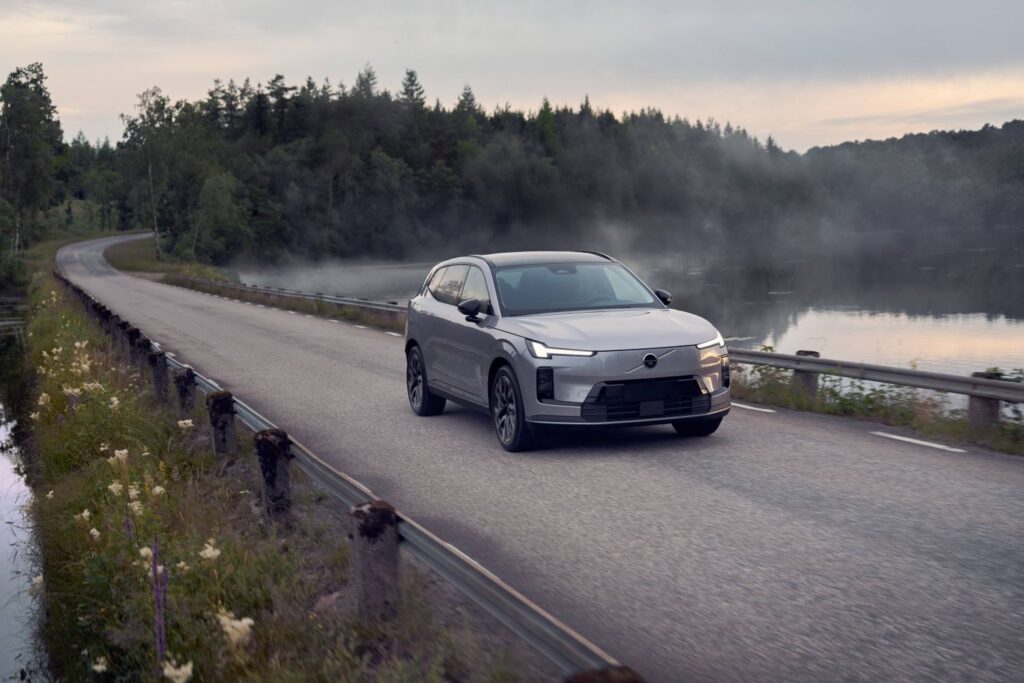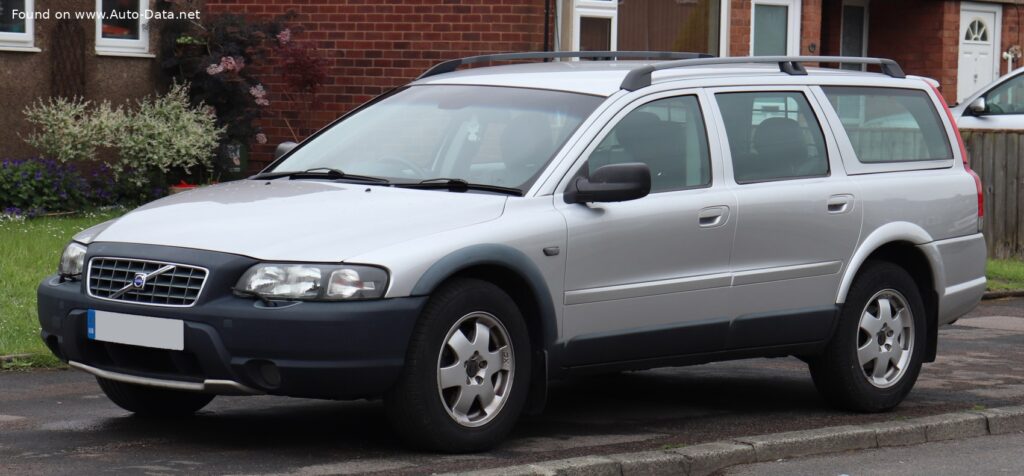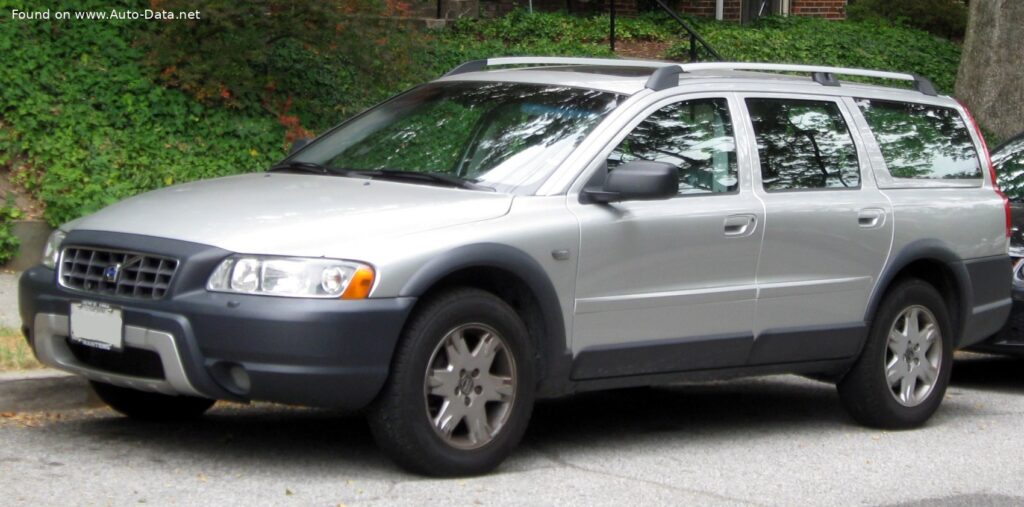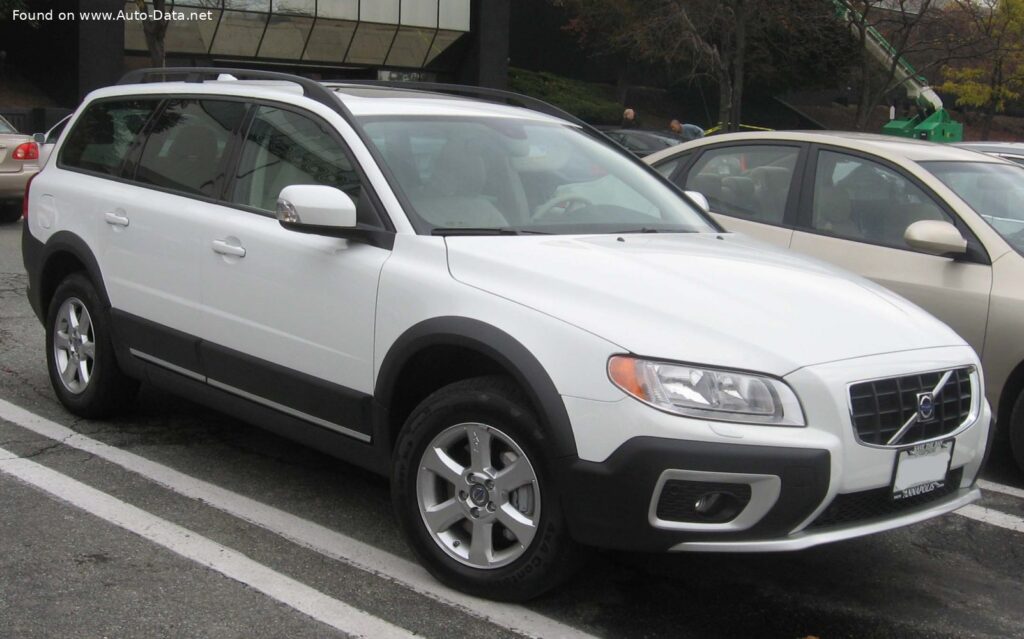
The Volvo XC70 II 3.0 T6 AWD, produced between 2010 and 2013, represents the second generation of Volvo’s rugged, all-wheel-drive wagon. Positioned as a crossover estate, the XC70 aimed to blend the practicality of a station wagon with the capability and elevated driving position of a sport utility vehicle. While not officially sold in the United States during its second generation, the XC70 was a popular model in Europe, offering a compelling alternative to more conventional SUVs. It built upon the foundation of the Volvo V70, adding increased ground clearance, robust exterior cladding, and standard all-wheel drive, appealing to buyers seeking a versatile and capable vehicle for all-weather conditions and light off-road use.
Volvo XC70 II 3.0 T6 AWD: An Overview
The XC70 II was part of Volvo’s strategy to expand its lineup beyond traditional sedans and wagons. It catered to a growing demand for vehicles that could handle both daily commuting and weekend adventures. The 3.0 T6 variant, equipped with a 3.0-liter turbocharged inline-six engine, was the top-of-the-line offering, providing a significant performance boost compared to the lower-powered engine options. The vehicle’s focus was on providing a comfortable and safe driving experience, embodying Volvo’s long-standing reputation for safety innovation.
Engine & Performance
The heart of the XC70 II 3.0 T6 is Volvo’s B6304T4 3.0-liter inline-six engine. This engine utilizes direct fuel injection and a turbocharger with an intercooler to produce 304 horsepower at 5600 rpm and 440 Newton-meters (324.53 lb.-ft.) of torque between 2100 and 4200 rpm. This output translates to a 0-60 mph acceleration time of approximately 7 seconds and a 0-100 km/h time of 7.4 seconds. The engine’s power-to-weight ratio is a respectable 6 kg/Hp, and its torque-to-weight ratio is 4.2 kg/Nm. The engine displaces 2953 cm3 (180.2 cu. in.) and features a bore of 82 mm (3.23 in.) and a stroke of 93.2 mm (3.67 in.). The engine is transversely mounted at the front of the vehicle and is paired with a six-speed automatic transmission, channeling power to all four wheels via Volvo’s all-wheel-drive system. Fuel consumption is rated at 10.6 liters per 100 kilometers (22.2 US mpg) combined, with 15.1 l/100km (15.6 US mpg) in urban settings and 8.1 l/100km (29 US mpg) on the highway.
Design & Features
The XC70 II maintains the classic Volvo wagon silhouette, but with several key design elements that distinguish it from the standard V70. These include rugged black plastic cladding around the lower body, reinforced bumpers, and increased ground clearance. The vehicle’s exterior design is functional and understated, reflecting Volvo’s Scandinavian design philosophy. Inside, the XC70 II offers a comfortable and spacious cabin with seating for five passengers. The interior is characterized by high-quality materials and a focus on ergonomics. Standard features include leather upholstery, power-adjustable front seats, and a premium audio system. Safety is a paramount concern for Volvo, and the XC70 II is equipped with a comprehensive suite of safety features, including ABS (Anti-lock Braking System), side airbags, and curtain airbags. The trunk offers a minimum capacity of 575 liters (20.31 cu. ft.), expanding with the rear seats folded down. The XC70 II’s design prioritizes practicality and durability, making it well-suited for a variety of driving conditions.
Technical Specifications
| Brand | Volvo |
| Model | XC70 |
| Generation | XC70 II |
| Type (Engine) | 3.0 T6 (304 Hp) AWD |
| Start of production | 2010 |
| End of production | 2013 |
| Powertrain Architecture | Internal Combustion engine |
| Body type | Station wagon (estate), Crossover |
| Seats | 5 |
| Doors | 5 |
| Fuel consumption (economy) – urban | 15.1 l/100 km (15.6 US mpg) |
| Fuel consumption (economy) – extra urban | 8.1 l/100 km (29 US mpg) |
| Fuel consumption (economy) – combined | 10.6 l/100 km (22.2 US mpg) |
| Fuel Type | Petrol (Gasoline) |
| Acceleration 0 – 100 km/h | 7.4 sec |
| Acceleration 0 – 62 mph | 7.4 sec |
| Acceleration 0 – 60 mph | 7 sec |
| Emission standard | Euro 5 |
| Weight-to-power ratio | 6 kg/Hp |
| Weight-to-torque ratio | 4.2 kg/Nm |
| Power | 304 Hp @ 5600 rpm |
| Torque | 440 Nm @ 2100-4200 rpm (324.53 lb.-ft. @ 2100-4200 rpm) |
| Engine layout | Front, Transverse |
| Engine Model/Code | B6304T4 |
| Engine displacement | 2953 cm3 (180.2 cu. in.) |
| Number of cylinders | 6 |
| Engine configuration | Inline |
| Cylinder Bore | 82 mm (3.23 in.) |
| Piston Stroke | 93.2 mm (3.67 in.) |
| Fuel injection system | Direct injection |
| Engine aspiration | Turbocharger, Intercooler |
| Engine oil capacity | 6.8 l (7.19 US qt | 5.98 UK qt) |
| Coolant | 8.9 l (9.4 US qt | 7.83 UK qt) |
| Kerb Weight | 1827 kg (4027.85 lbs.) |
| Max. weight | 2410 kg (5313.14 lbs.) |
| Max load | 583 kg (1285.29 lbs.) |
| Trunk (boot) space – minimum | 575 l (20.31 cu. ft.) |
| Fuel tank capacity | 70 l (18.49 US gal | 15.4 UK gal) |
| Length | 4838 mm (190.47 in.) |
| Width | 1870 mm (73.62 in.) |
| Height | 1604 mm (63.15 in.) |
| Wheelbase | 2815 mm (110.83 in.) |
| Front track | 1614 mm (63.54 in.) |
| Rear (Back) track | 1580 mm (62.2 in.) |
| Minimum turning circle (turning diameter) | 12 m (39.37 ft.) |
| Drive wheel | All wheel drive (4×4) |
| Number of gears and type of gearbox | 6 gears, automatic transmission |
| Assisting systems | ABS (Anti-lock braking system) |
The Volvo XC70 II 3.0 T6 AWD offered a compelling combination of practicality, performance, and safety, making it a popular choice for buyers in Europe seeking a versatile and capable all-weather vehicle. While not directly available in the US market, it represents a significant chapter in Volvo’s history of innovative wagon design.