
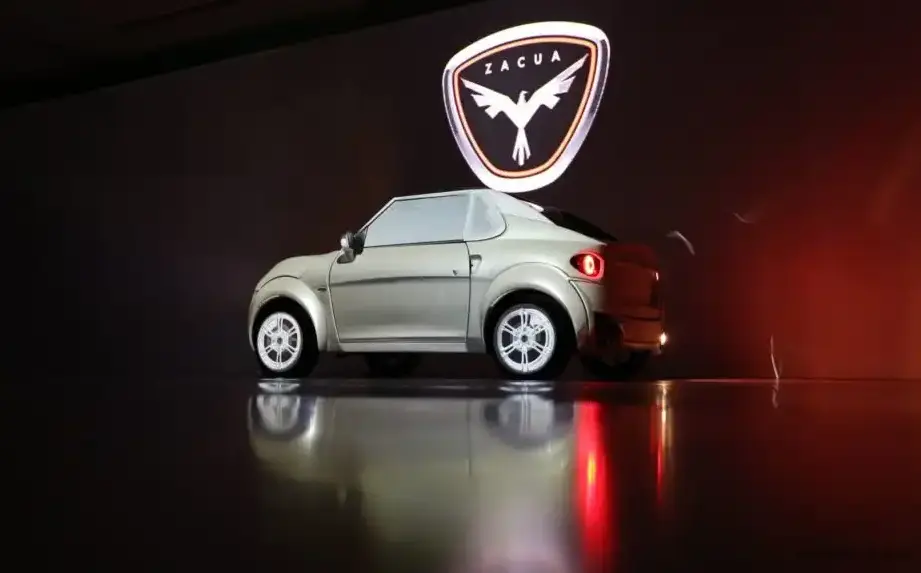
The Zacua MX2 18 kWh (46 hp) Electric is a two-seat, two-door electric coupe produced by the Mexican automotive manufacturer, Zacua, beginning in July 2017. It represents a unique attempt to create a domestically produced electric vehicle for the Mexican market, focusing on urban mobility and affordability. The MX2 is built on a dedicated electric vehicle platform and distinguishes itself with its compact dimensions and focus on basic transportation needs. It was positioned as an entry-level electric vehicle, aiming to provide a cost-effective alternative to gasoline-powered cars in Mexico City and surrounding areas.
Technical Specifications
| Brand | Zacua |
| Model | MX2 |
| Generation | MX2 |
| Type (Engine) | 18 kWh (46 Hp) Electric |
| Start of production | July, 2017 |
| Powertrain Architecture | BEV (Electric Vehicle) |
| Body type | Coupe |
| Seats | 2 |
| Doors | 2 |
| Fuel Type | Electricity |
| Maximum speed | 85 km/h (52.82 mph) |
| Weight-to-power ratio | 14.9 kg/Hp, 67.2 Hp/tonne |
| Gross battery capacity | 18 kWh |
| All-electric range | 160 km (99.42 mi) |
| Electric motor power | 46 Hp @ 3750 rpm |
| Electric motor Torque | 87 Nm (64.17 lb.-ft.) |
| System power | 46 Hp @ 3750 rpm |
| Kerb Weight | 685 kg (1510.17 lbs) |
| Trunk (boot) space – minimum | 247 l (8.72 cu. ft.) |
| Length | 3065 mm (120.67 in) |
| Width | 1770 mm (69.69 in) |
| Height | 1442 mm (56.77 in) |
| Front track | 1370 mm (53.94 in) |
| Rear (Back) track | 1370 mm (53.94 in) |
| Minimum turning circle (turning diameter) | 8.0 m (26.25 ft) |
| Drive wheel | Front wheel drive |
| Number of gears and type of gearbox | 1 gears, automatic transmission |
| Front suspension | Independent type McPherson |
| Rear suspension | Independent coil spring, Transverse stabilizer |
| Front brakes | Disc, 225 mm |
| Rear brakes | Disc, 200 mm |
| Assisting systems | ABS (Anti-lock braking system) |
| Tires size | 155/60 R15 |
| Wheel rims size | 15 |
Powertrain & Engine Architecture
The Zacua MX2 utilizes a fully electric powertrain, classified as a Battery Electric Vehicle (BEV). It is powered by a single electric motor producing 46 horsepower at 3750 rpm and 87 Nm (64.17 lb-ft) of torque. The vehicle is equipped with an 18 kWh battery pack, providing an all-electric range of approximately 160 kilometers (99.42 miles) under ideal driving conditions. The powertrain employs a single-speed automatic transmission, simplifying operation for drivers. Details regarding the battery chemistry and cooling system are limited in publicly available information, but it is presumed to utilize lithium-ion technology. The motor is front-wheel drive, a common configuration for urban electric vehicles.
Driving Characteristics
The MX2’s 46 hp output and single-speed automatic transmission result in modest acceleration. Its primary focus is not performance, but rather efficient and practical urban transportation. The single gear ratio is optimized for city driving, providing adequate torque for navigating stop-and-go traffic. Top speed is limited to 85 km/h (52.82 mph). The relatively light curb weight of 685 kg (1510.17 lbs) helps to mitigate the limited power output, providing a reasonably responsive driving experience within its intended operating environment. Compared to potential future higher-performance variants (which were discussed but never materialized), this base model prioritizes range and affordability over outright speed.
Equipment & Trim Levels
The Zacua MX2 was offered with a relatively basic level of standard equipment, reflecting its position as an entry-level electric vehicle. Standard features included air conditioning, power windows, and an audio system. Safety features were limited to an Anti-lock Braking System (ABS). Interior upholstery was simple and durable, prioritizing practicality over luxury. Optional extras were limited, with the primary customization options revolving around exterior color choices. The dashboard layout was functional and straightforward, with a focus on displaying essential driving information such as speed, battery charge level, and range.
Chassis & Braking
The MX2 features an independent McPherson strut suspension in the front and an independent coil spring suspension with a transverse stabilizer bar in the rear. This suspension setup aims to provide a comfortable ride quality while maintaining reasonable handling characteristics. The vehicle is equipped with disc brakes on all four wheels – 225mm at the front and 200mm at the rear – providing adequate stopping power for its weight and performance capabilities. The compact dimensions and relatively narrow tires (155/60 R15) contribute to its maneuverability in urban environments.
Market Reception & Comparison
The Zacua MX2 received mixed reviews. Critics praised its affordability and its contribution to the development of the electric vehicle market in Mexico. However, its limited range, modest performance, and basic interior were also points of criticism. Compared to gasoline-powered vehicles in the same price range, the MX2 offered lower running costs due to the elimination of fuel expenses. Compared to other potential electric vehicle imports, it offered a more affordable entry point, albeit with fewer features and a shorter range. Its primary competition came from established gasoline-powered compact cars popular in the Mexican market.
Legacy
The Zacua MX2 represents an important, though ultimately limited, chapter in the history of Mexican automotive manufacturing and electric vehicle adoption. While production numbers were relatively low, the MX2 demonstrated the potential for domestic electric vehicle production in Mexico. The powertrain, while not groundbreaking, proved to be reasonably reliable in real-world use. On the used car market, the MX2 remains a niche offering, appealing to environmentally conscious buyers seeking an affordable and unique urban transportation solution. The long-term availability of replacement parts and battery service remains a concern for potential buyers, however. The project ultimately faced financial difficulties, and Zacua ceased operations, leaving the MX2 as a unique and somewhat rare example of early Mexican electric vehicle engineering.
